Build & Blossom
Healthy Place Ideation Tool
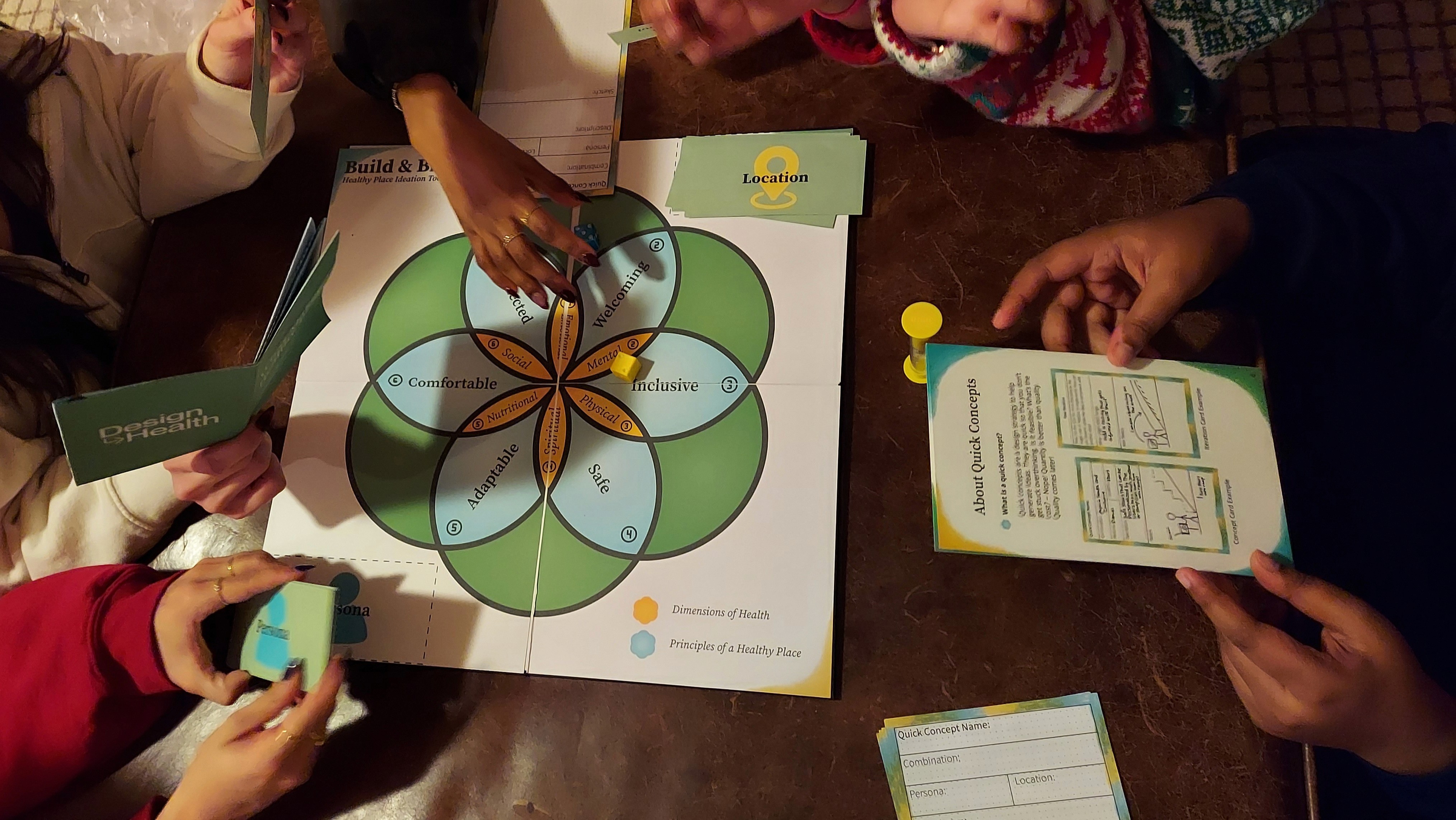
Build and Bloom started off from a class wide research project for place making to understand what promotes human health in public spaces. Then, an intervention was made to one of the spaces in order to make it healthier. To expand our research to public spaces in general, a “healthiness” framework was developed and made into a toolkit.
My Contributions
• Conducting fieldwork
• Graphic design of the toolkit
Team



Project Type
Experience and Graphic Design
Skills
Graphic Design
Observational Research
Timeline
Aug 2025 · 4 months
What Makes A Library Healthy?
We conducted fieldwork observations at two different public libraries-a large public library in Austin, Texas (APL) and a local college fine arts library (DFA). Here are some general insights on what factors positively influenced people’s behaviors, as well as one specific insight we further developed.
Healthy Spaces Afford Autonomy
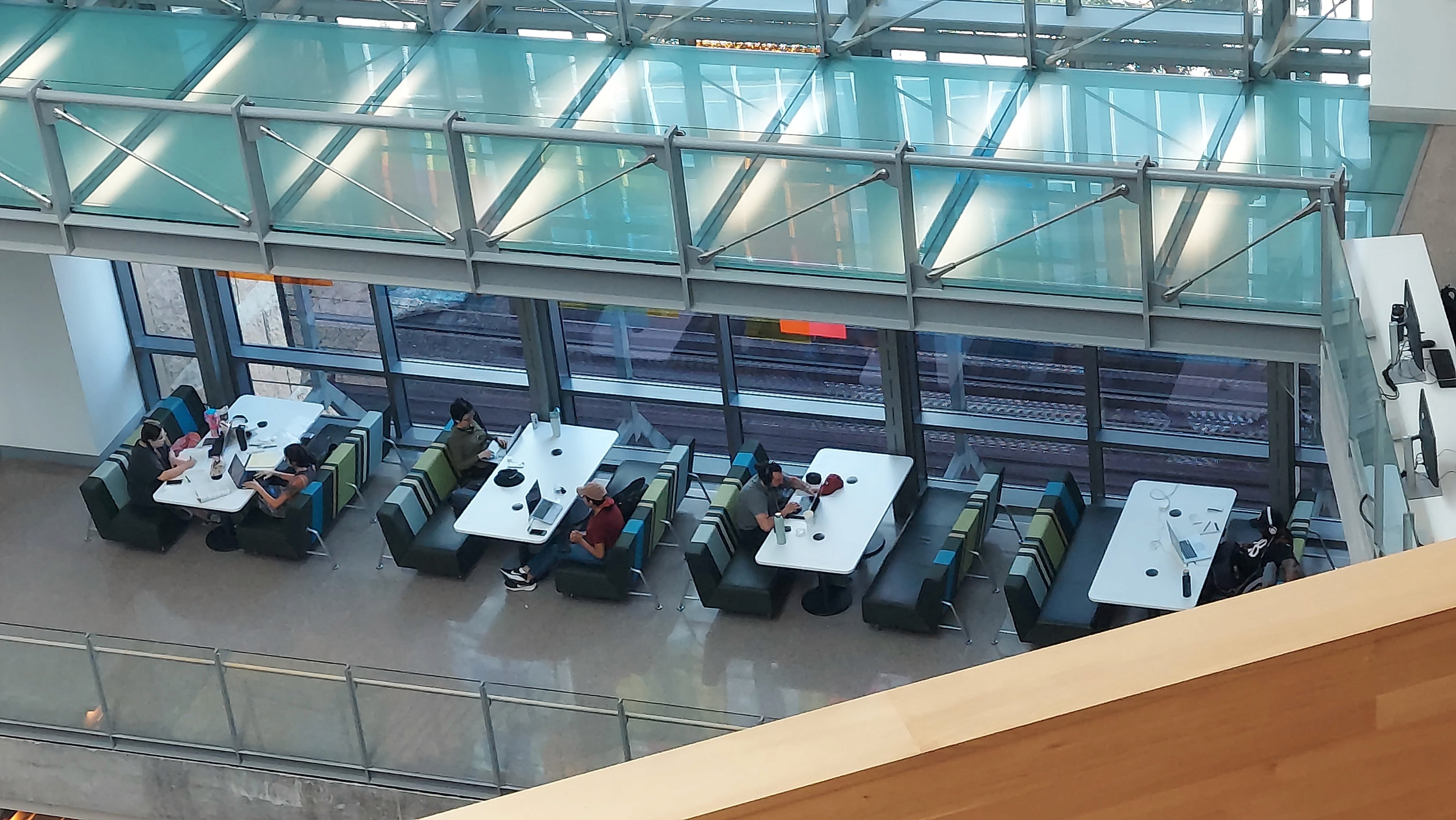
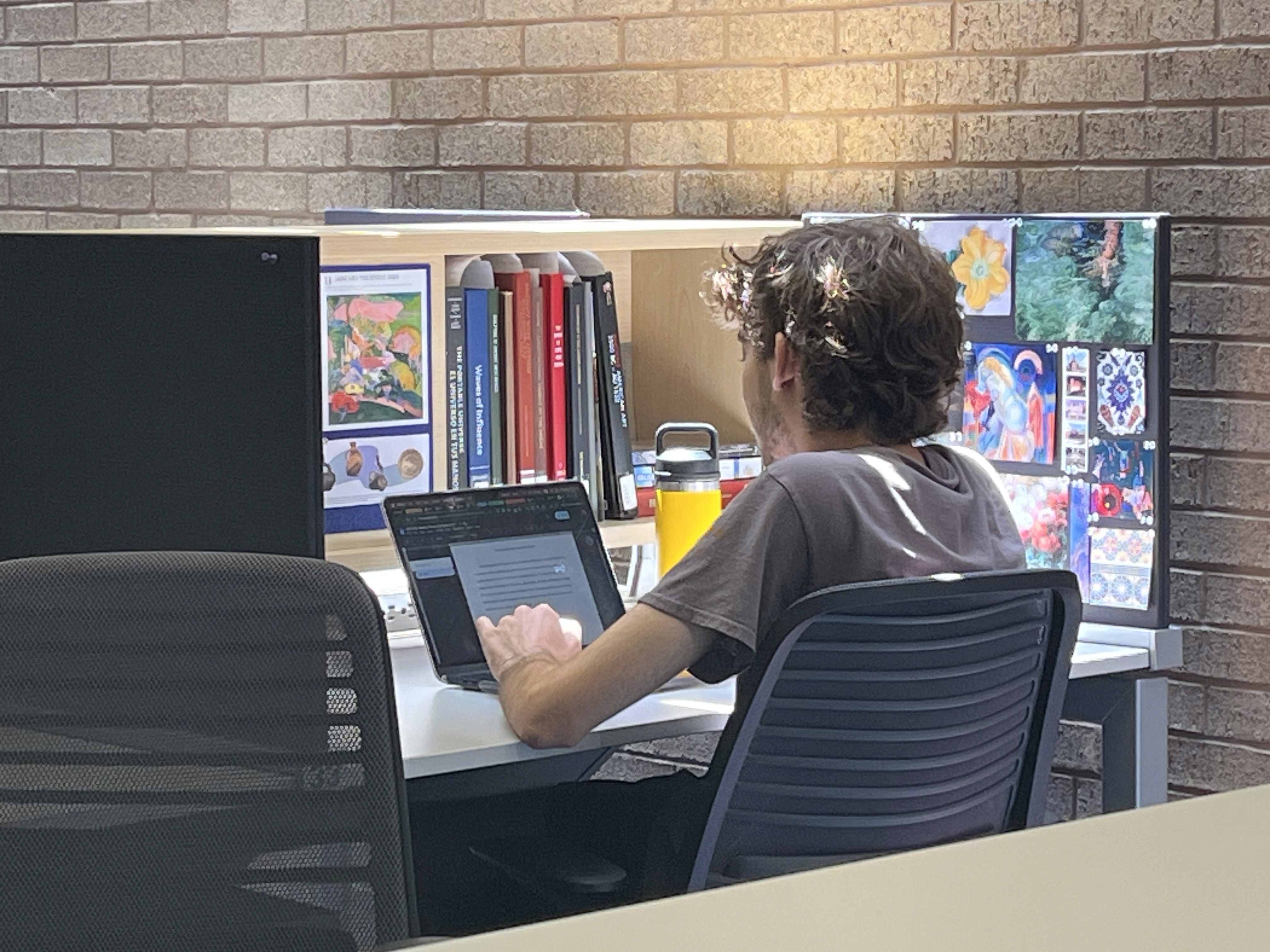
Different people preferred different types of seating (outdoor, group seating, customized spaces, etc).
Healthy Spaces Fulfill Community Needs
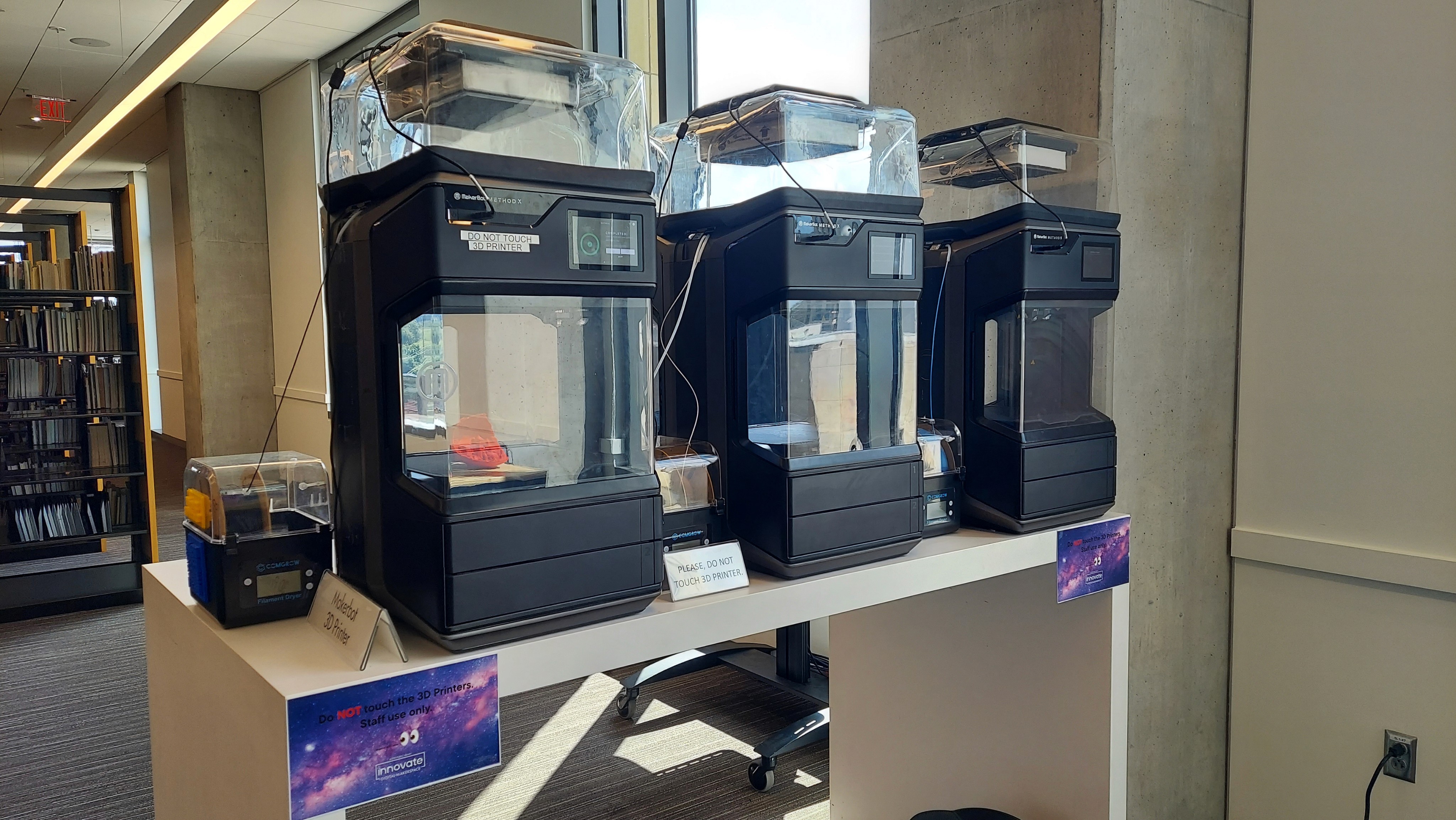
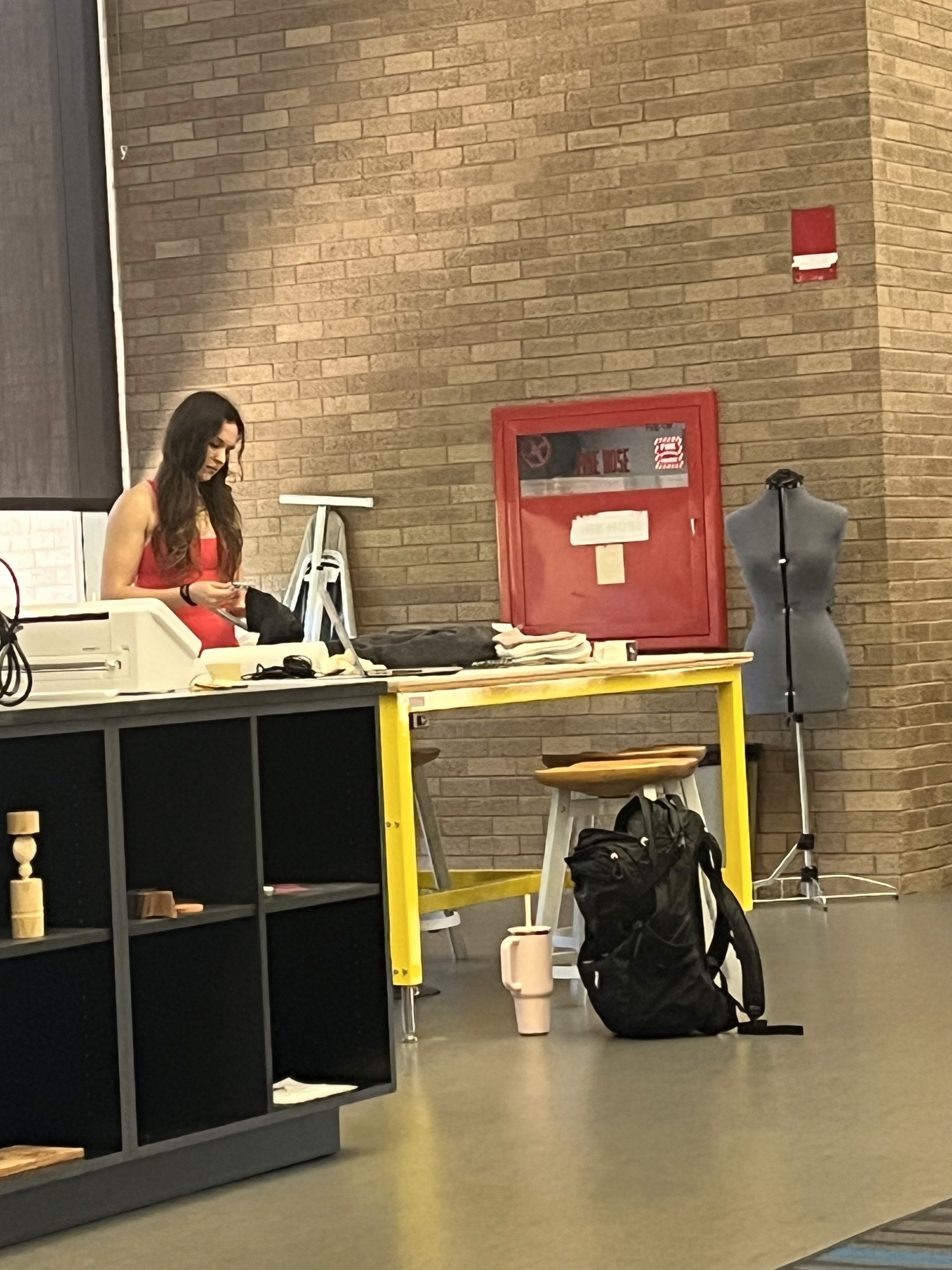
Both libraries had become a community technology hub with computer labs and makerspaces.
Healthy Spaces Slow You Down
A thoughtfully designed space can encourage people to slow down, look around, and pay attention to their surroundings. Transition spaces like the stairs at the APL offers guests a sense of curiosity and joy through the clear glass walls and overlapping flights of stairs. The children's play area inspires wandering and movement which is essential to a sense of play.
Providing small delights to slow people down for a second is a great way to take a break and promote mental health. Incorporating these designs to stairs also encourages people to take the stairs, which in turn improves physical health.
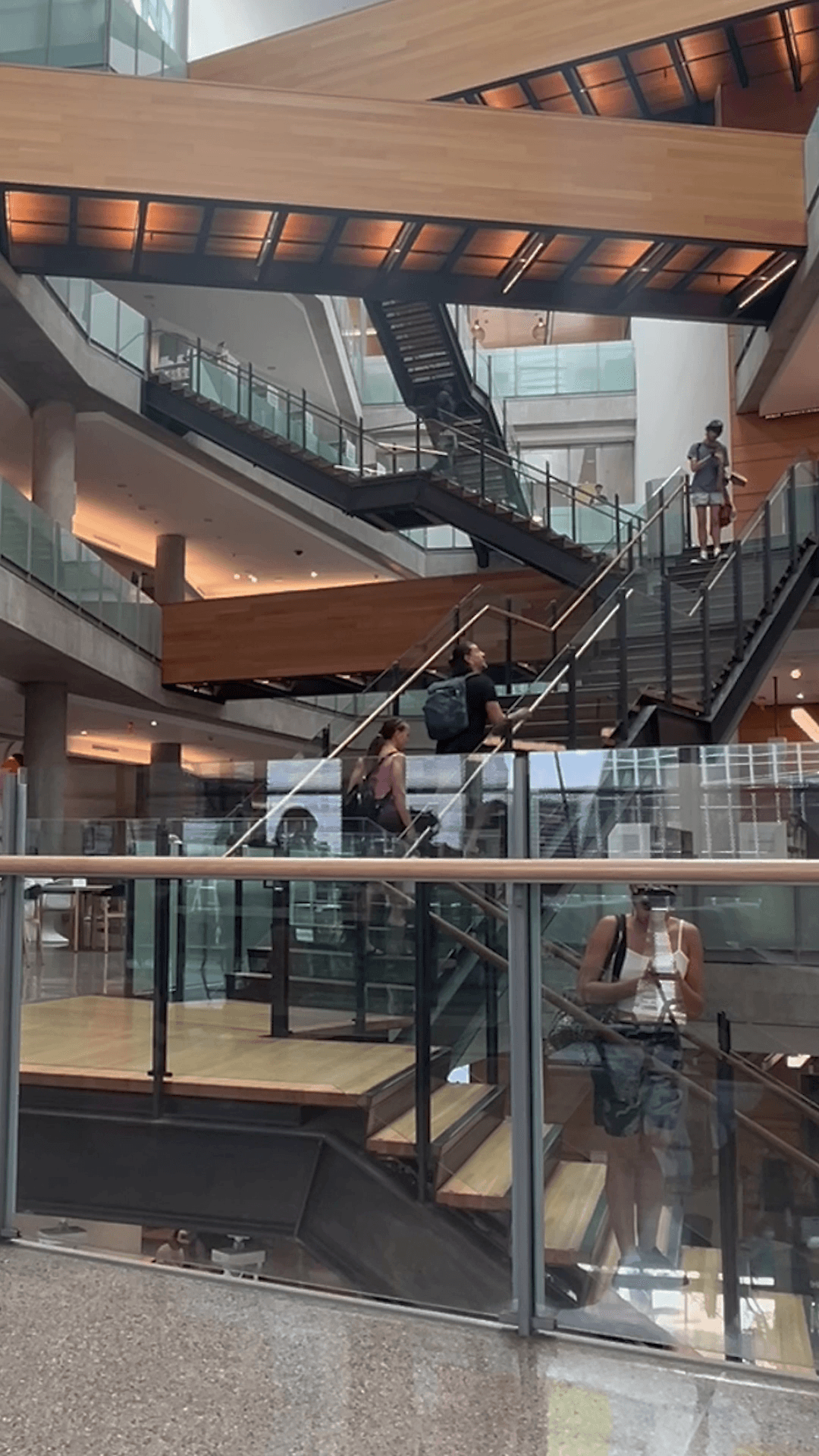
16 in 50 people (32%) slowed down, paused, looked around, or took photos.
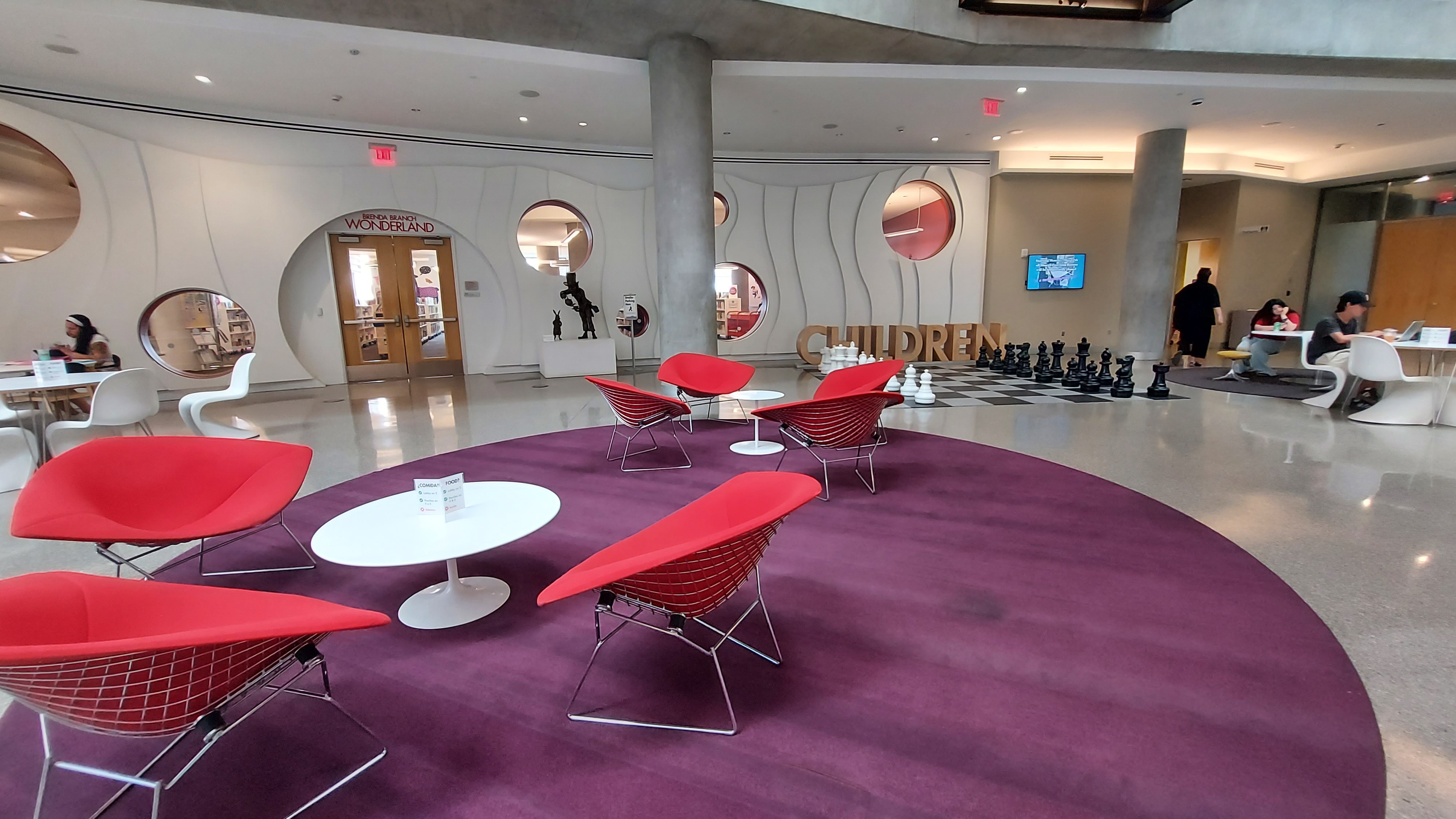
People left the stairs to check out the children play area because of the interesting seating options and the live-sized chess board (see below)
Healthy Treasure Hunt Intervention
We prototyped a Treasure Hunt to bring this idea of a thoughtfully designed transitional experience to a college library. A placemat at the entrance features the wildflowers of Texas, each one being a key to the one of the most commonly asked about areas of the library. By follow a trail of tape and flower decal, visitors will be led around the library to their desired destination.
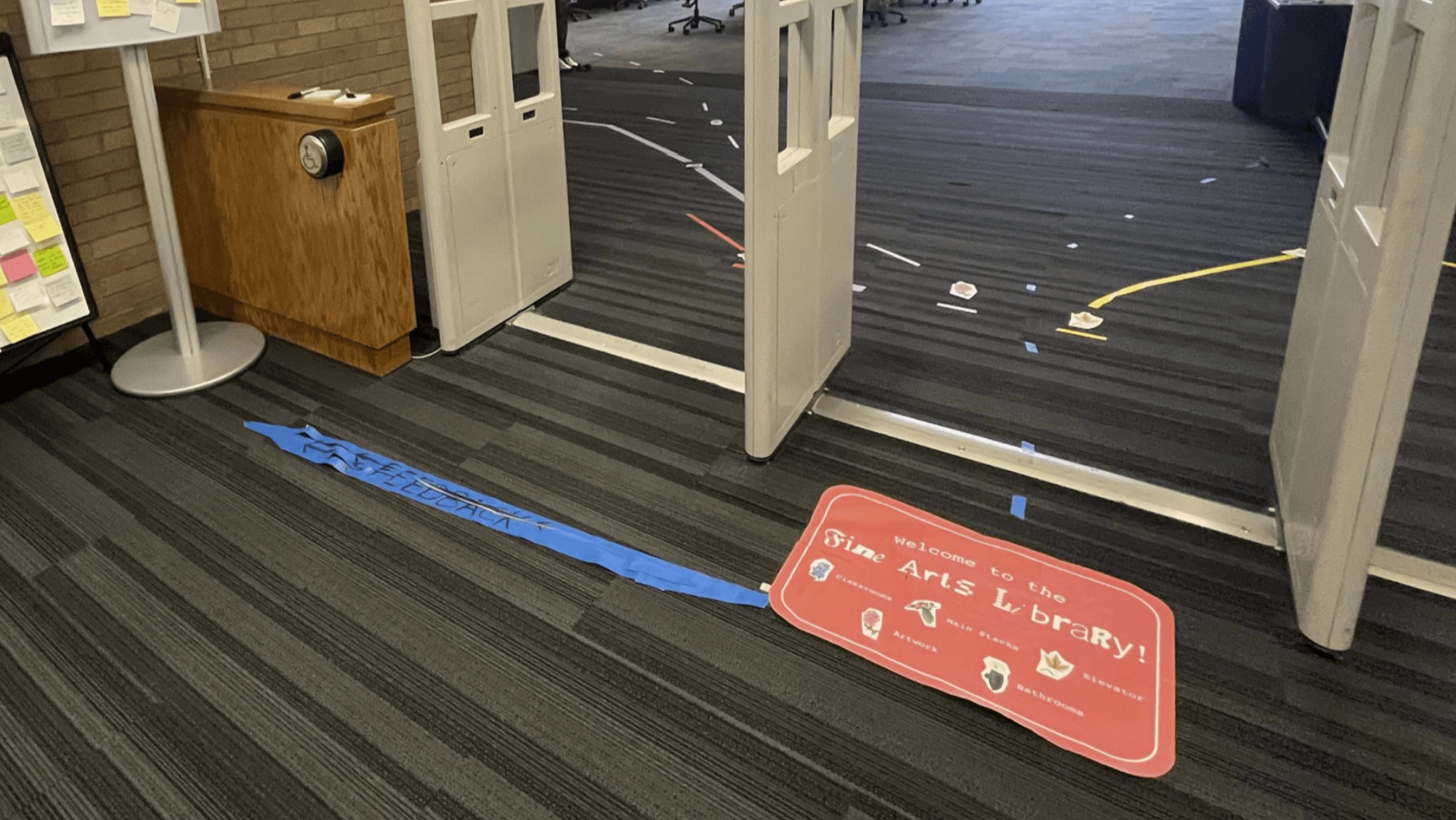
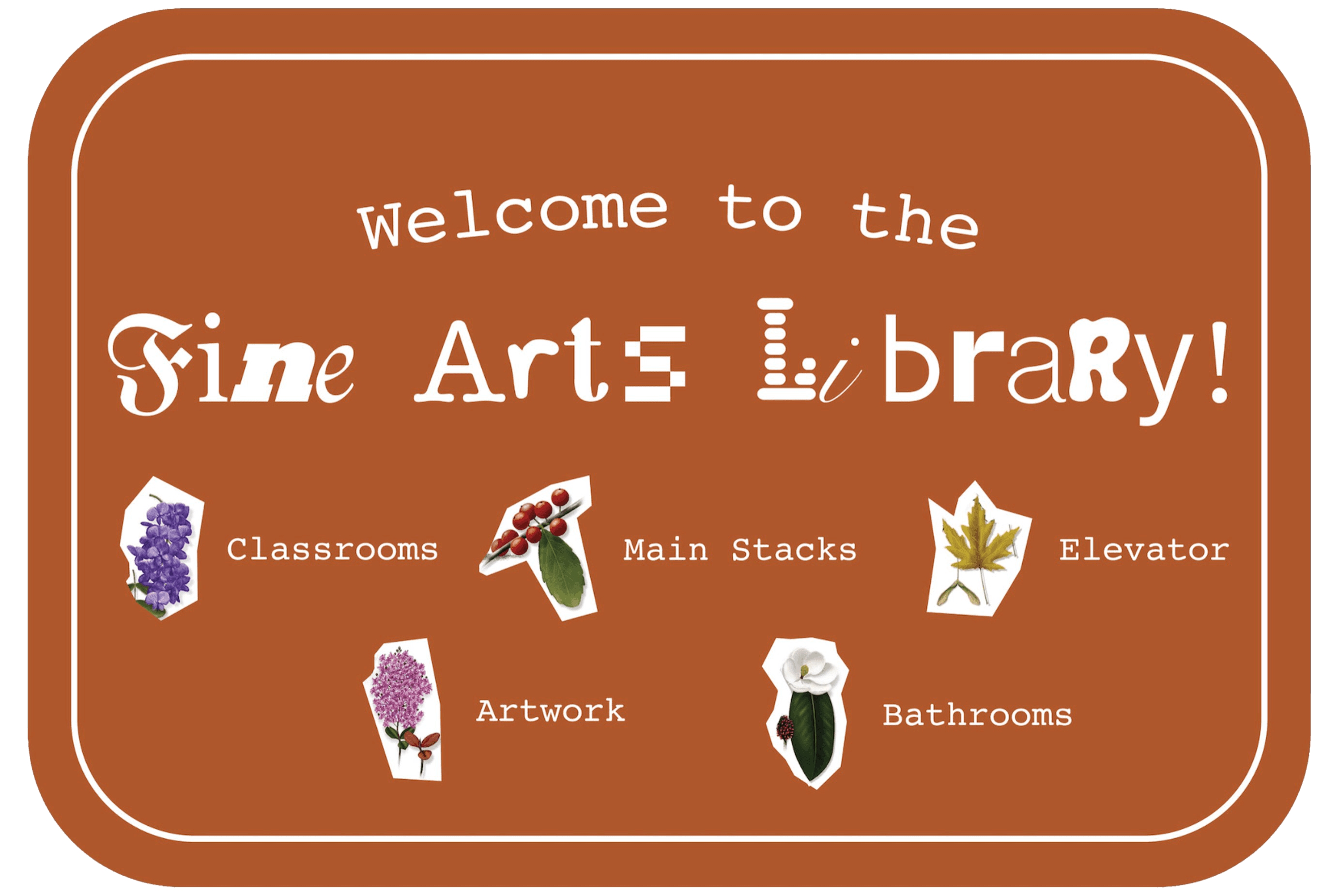
This place mat at the entrance of the library entrance leads you on a Treasure Hunt!
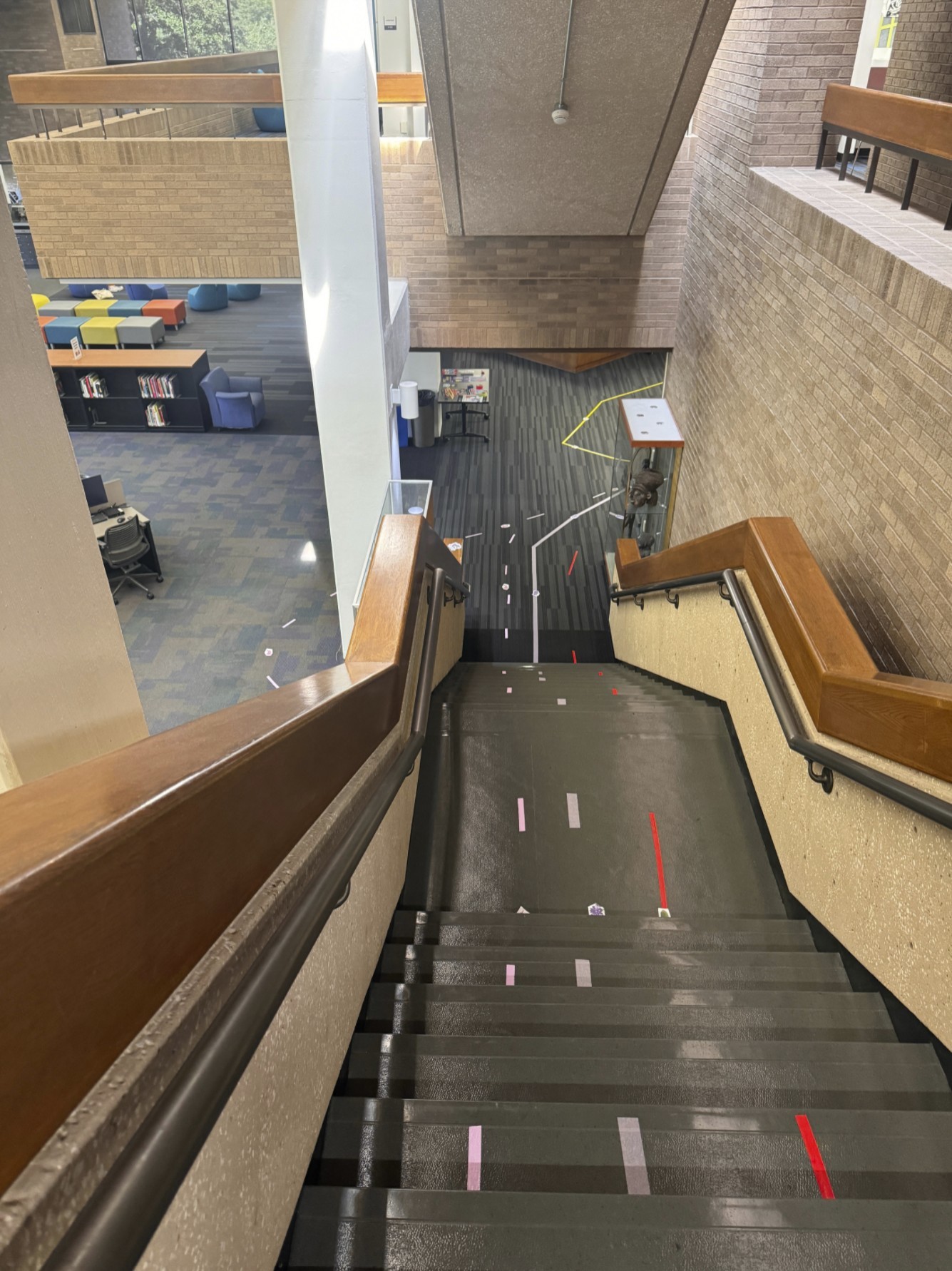
The stairs at the DFA after being activated with paths leading up to the second floor for artwork, the main stack, and classrooms.
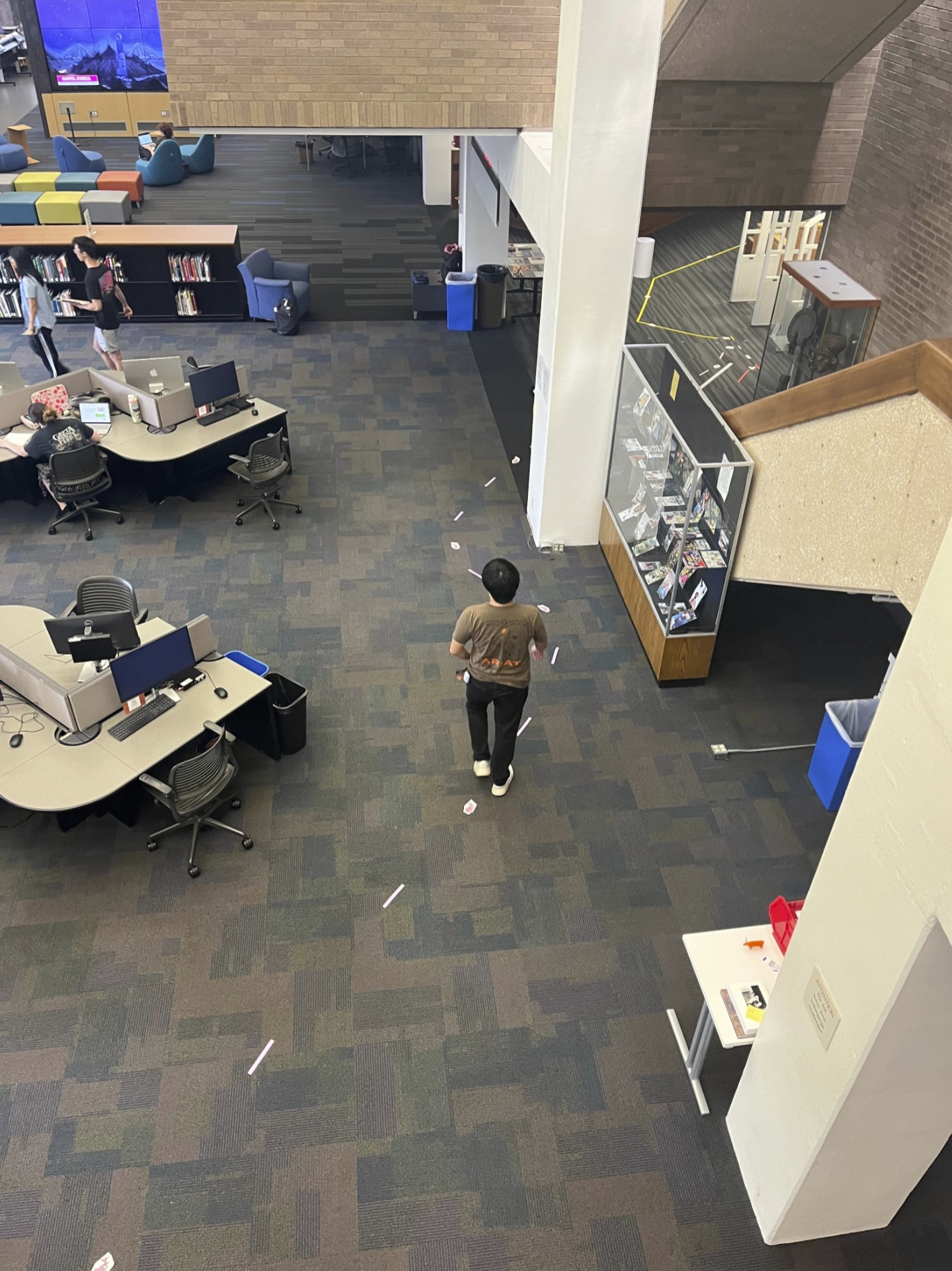
A student follows the artwork path which starts on the first floor and continues onto the second floor.
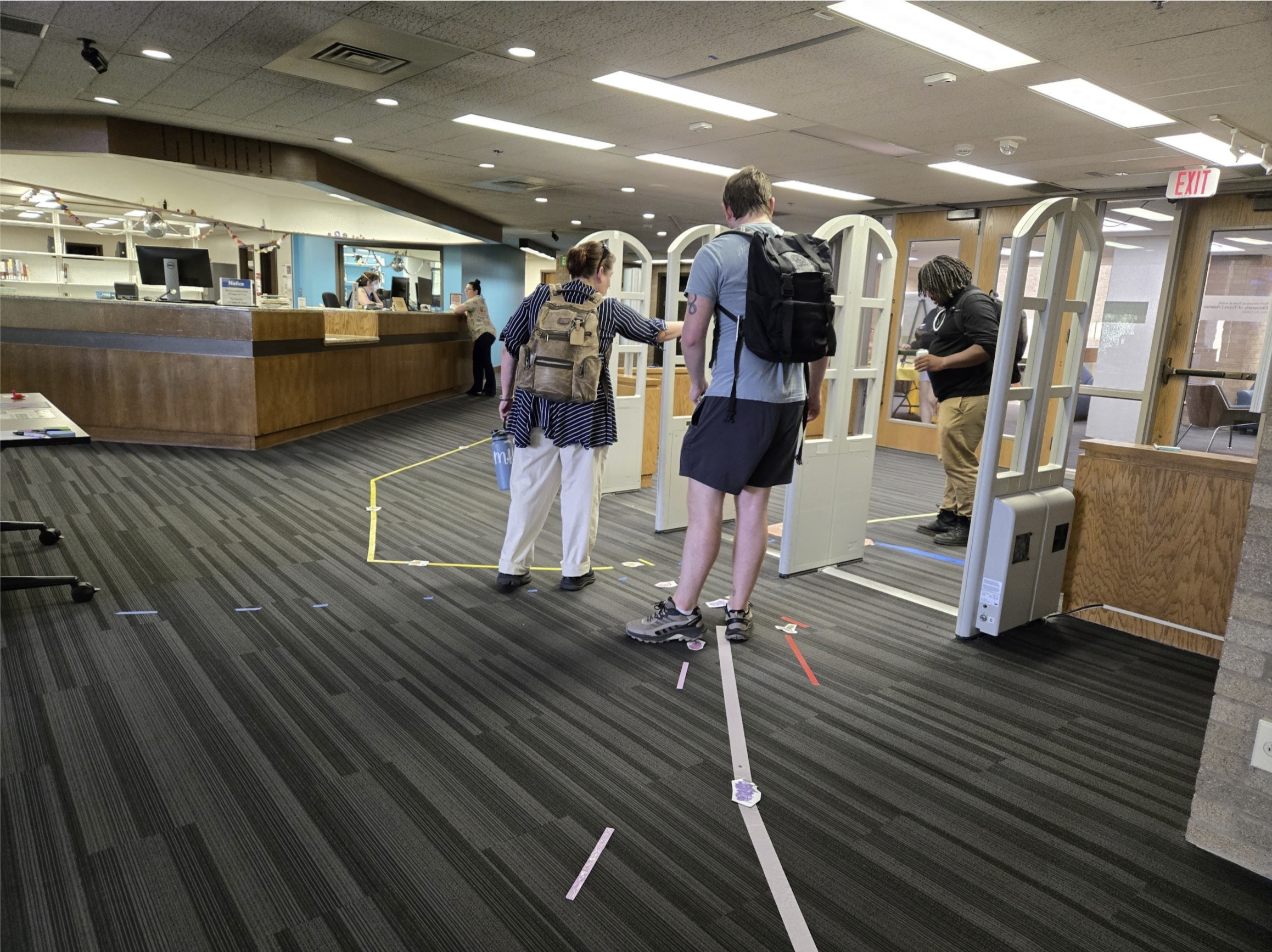
People were intrigued by the floor decals and we notice it sparked conversation and questions.
Key Takeaway
It was difficult to get people to break away from their daily routine, despite the minimal time commitment the treasure hunt took. I only saw one student in three hours who did a part of the "Artwork" path. When we asked a student why she wasn't interested in doing the activity, she replied "I just didn't know what it was."
This was unexpected since there was a great deal of interest when we were setting up, but then there's also the social pressure to not do anything outside of the ordinary in a public space.
Part 2: The Toolkit
Although many of our principles of health were based on our own observations from the libraries, we arrived at these six principles of health after conferring with other groups that visited bus stops, parks, and coffee shops.
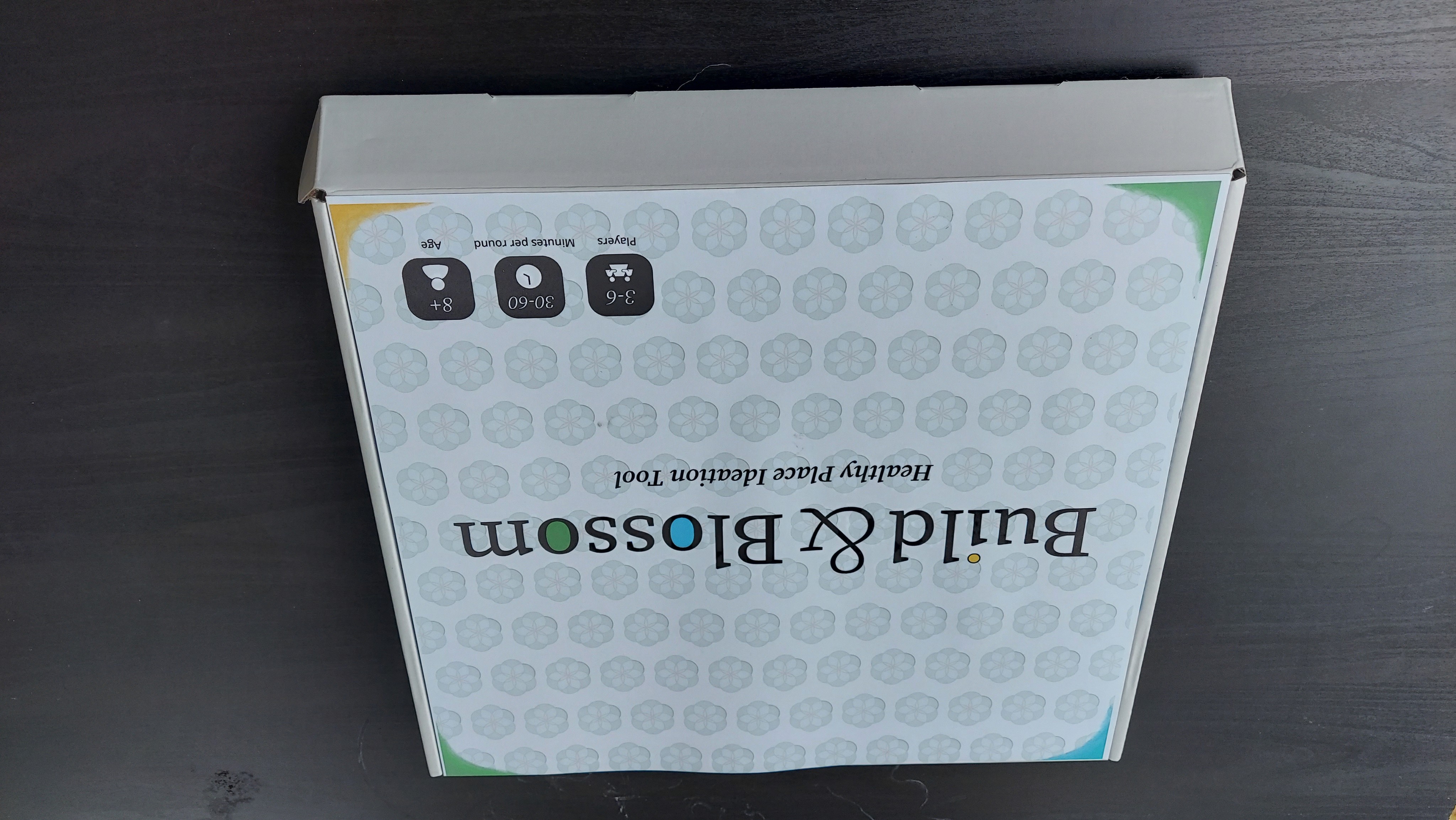
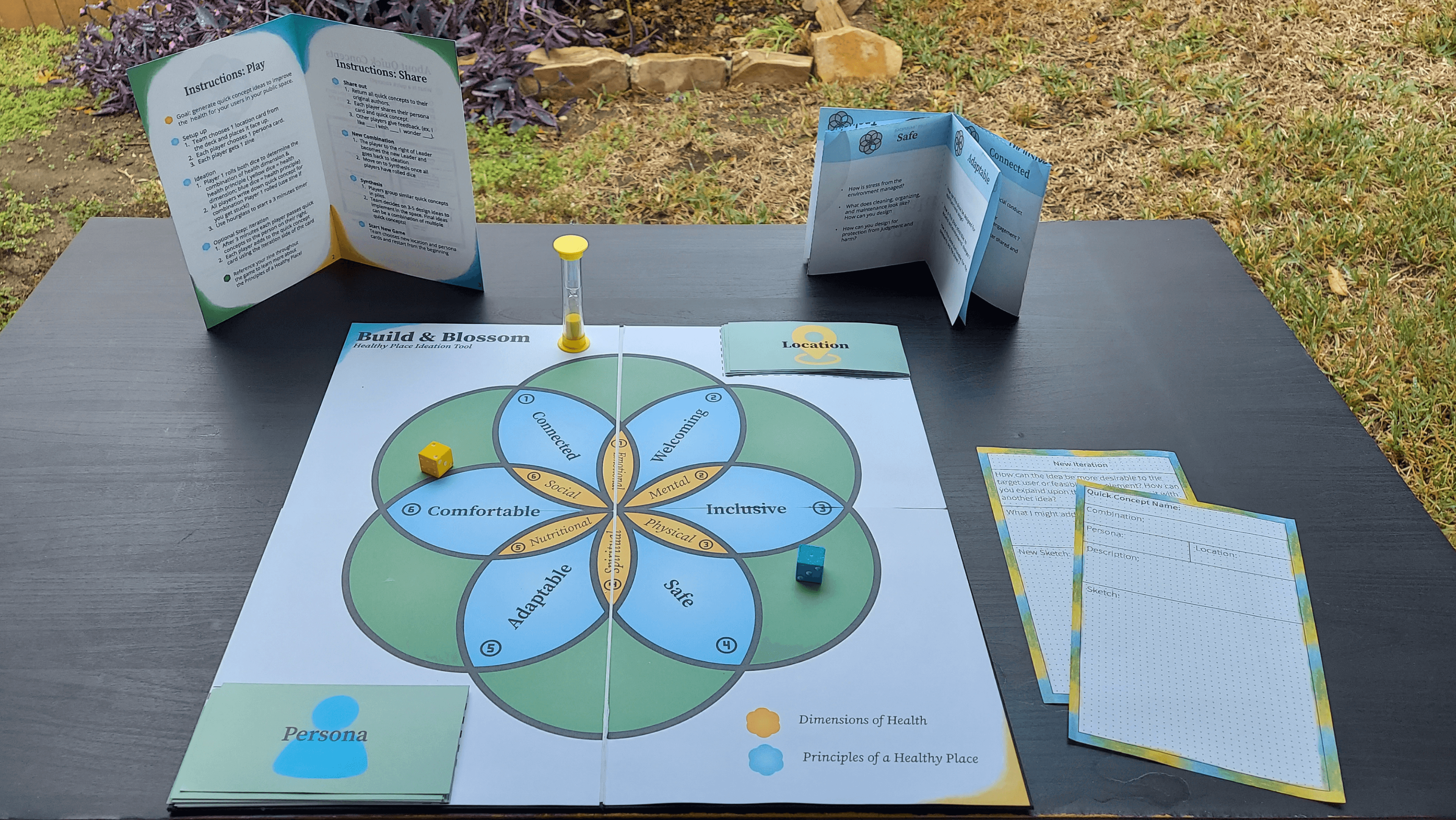
How Does It Work?
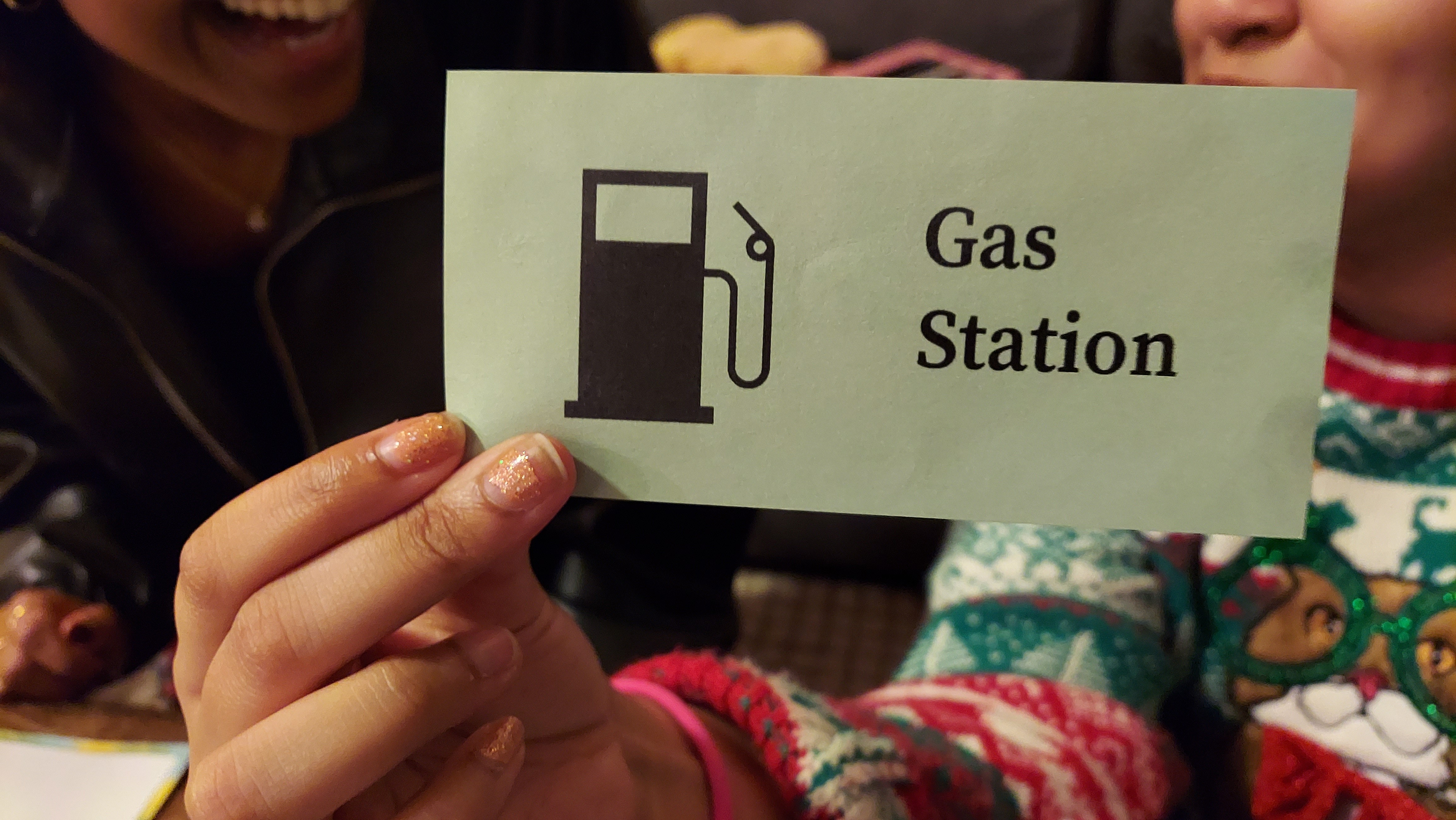
The first player picks a Location Card for the group.
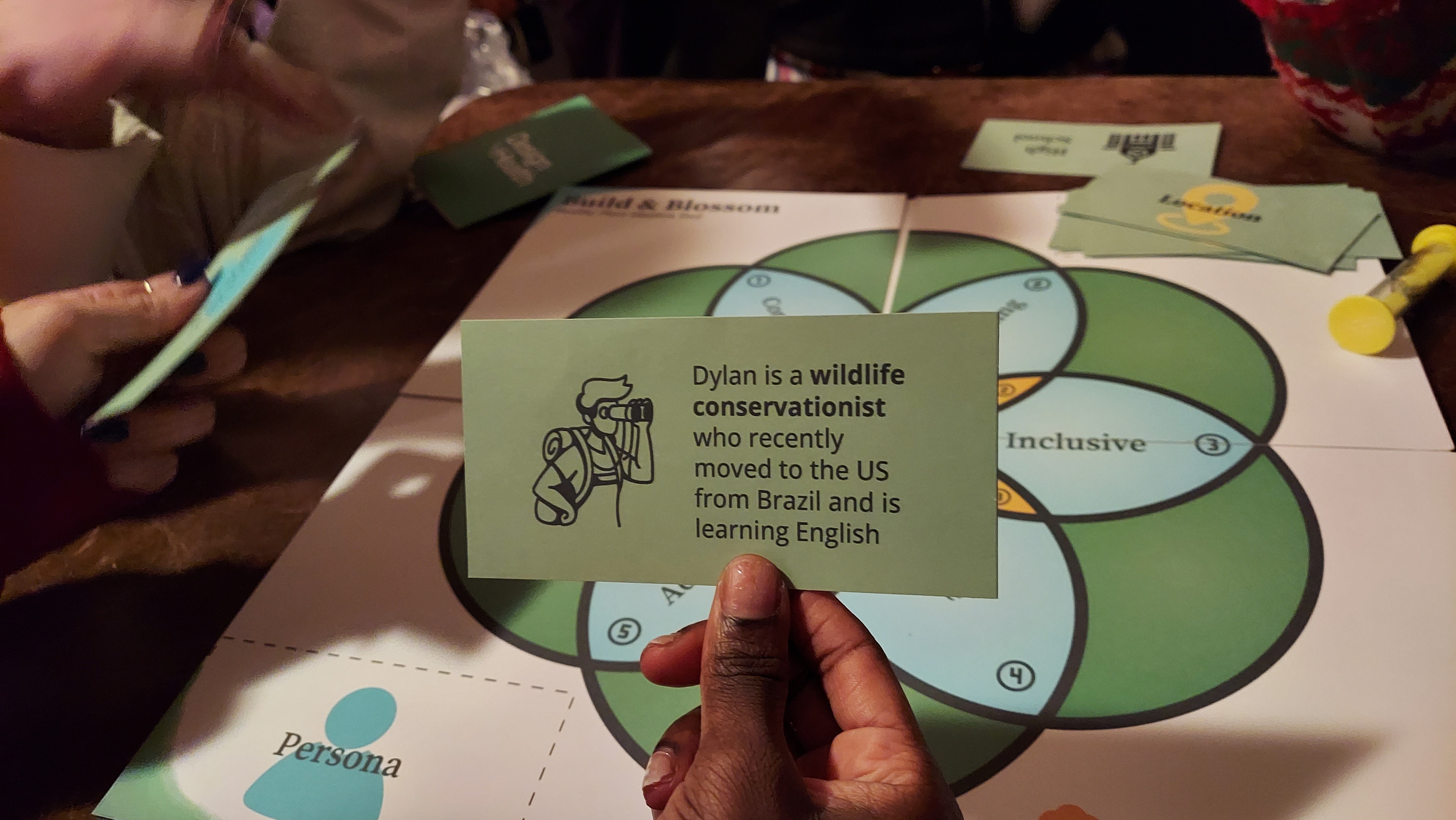
Each player gets their own Persona Card that gives them a specific attribute to design for
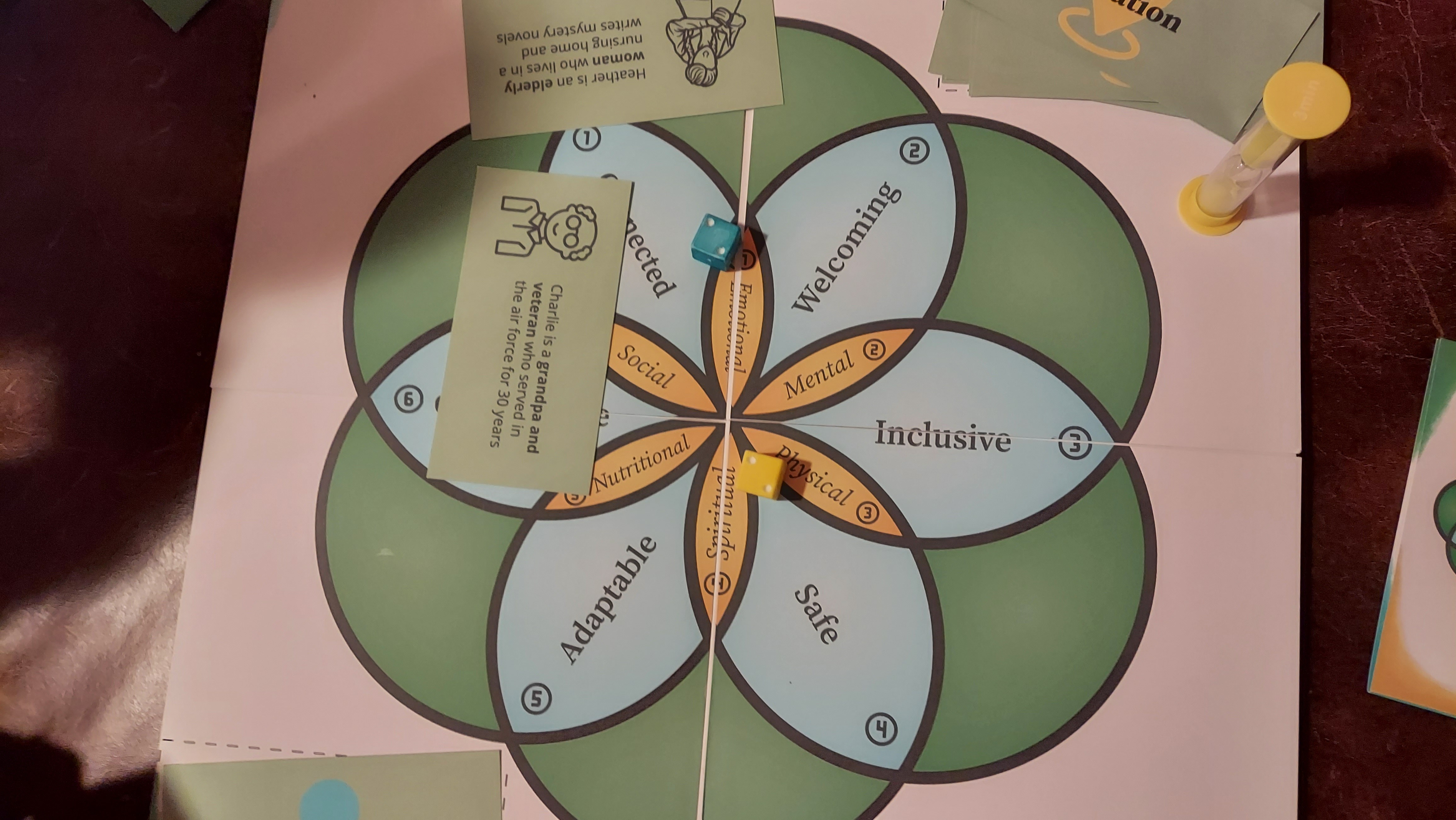
Players rolls two dice to determine Dimension of Health and Principle of Healthy Space
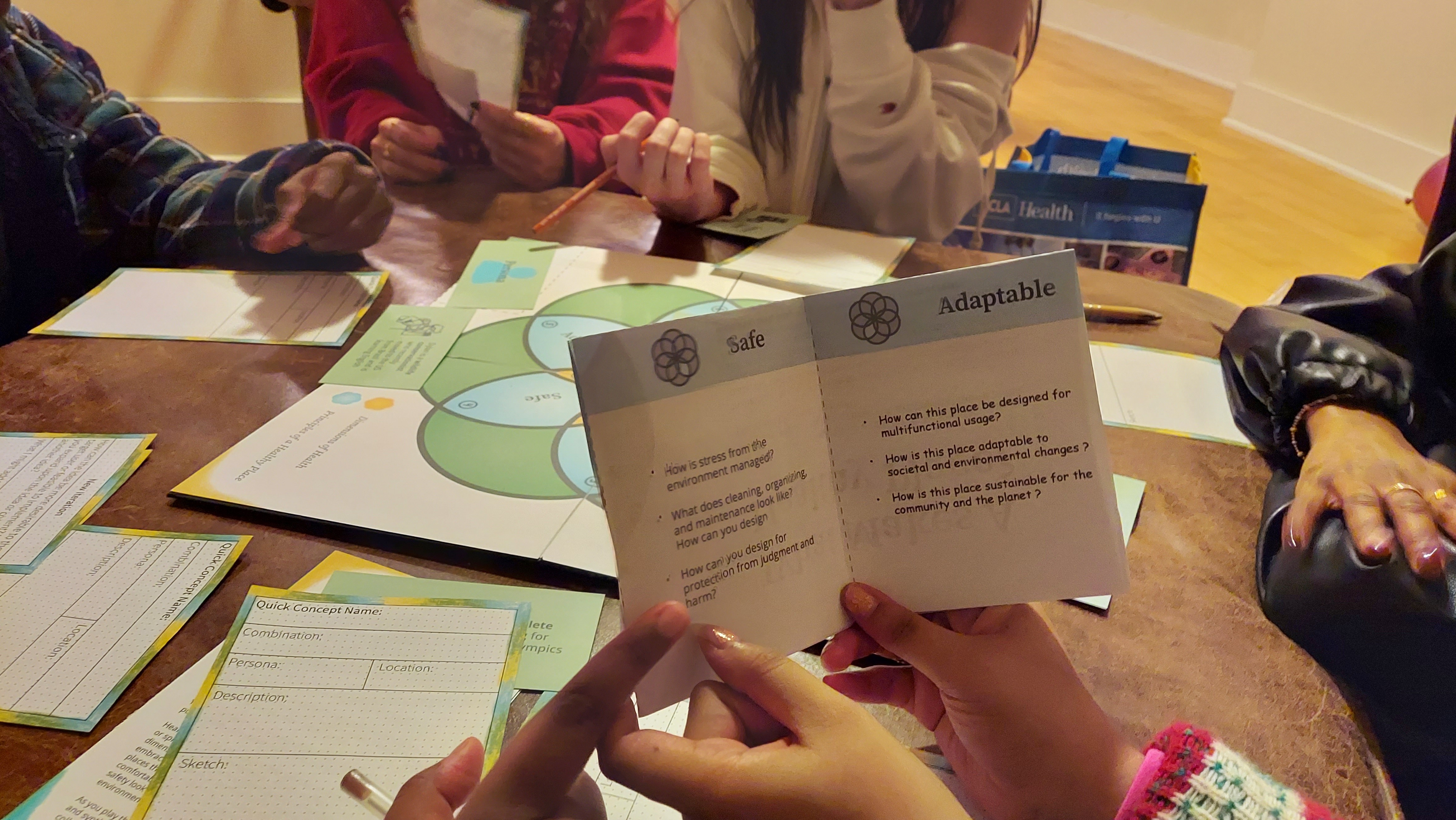
Use the zine to learn more about each Principle of Healthy Space
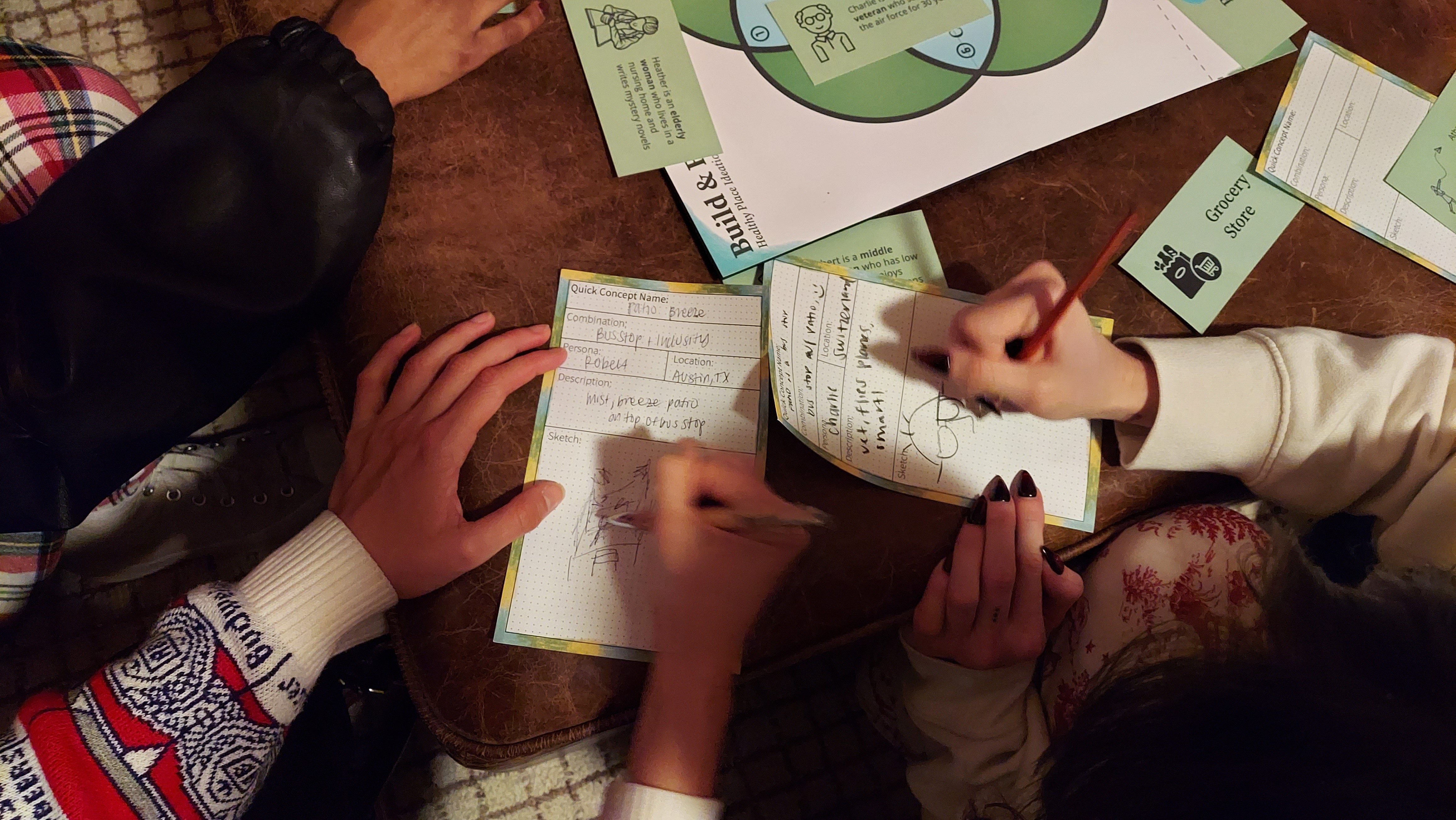
Use the Ideation Cards to come up with an idea that fit your persona and criterias!
Reflection
I enjoyed the fieldwork aspect of this project a great deal, being able to observe a location and use different methods like counting, tracking, and photography as evidence.
Special Thanks
DFA + APL Library Staff
This portfolio is not available for mobile yet.
Please view on a computer!