

CARE

OCTOBER 2025

2 MONTH PROJECT

Service for Family Members of Substance Users Under 18

CARE is a service design project aimed at the prevention and harm reduction of substance addiction. The outcome is a series of educational workshops tailored for the families, friends, and support networks of teen substance users.

Service Design

Graphic Design

Interviews

Experience Design

" The majority of adults with substance abuse problems begin to use substances during their adolescent years "


According to a study from Cornell University

Shifting Focus to Support Network

Our key insights informed us that we should focus on the support network of the user since they have such a big impact on whether the substance user is able to stay sober over time.


Factors for Substance Use
Substances can be used as a coping mechanism for external stressors from life
Anyone can be an addict, and people can often be introduced to drugs through a friend or loved one
Youth and Naivety
Due to the teenage invincibility mindset, it is difficult to effectively teach the effects of substance use to adolescents who are experimenting with drug use
There is a lack of trusted knowledge and education to inform adolescence of the long term effects of substances
Shame and Stigma
People suffering from addiction may feel shame because of social stigmas of addiction, which fuels continued use
Struggles with Recovery
Recovery is a non-linear process that has a unique timeline for each person.
Community Support
True community is essential to recovery because it allows the user to flourish with authentic human connection.
External forces can kick off recovery (law/family) because it forces confrontation and change
Interview Key
Gaby (Texas Harm Reduction Alliance)
Mr. S (Substance User)-Primary Interview
Mr. M (Substance User)-Primary Interview
Mr. J (Substance User)-YouTube Interview
Ms. D (Substance User)-YouTube Interview
Ms. A (Substance User)-YouTube Interview

Support Network Faces Uncertainty

" A few days after his overdoes my anger morphed into fear. After they usher you into the car, wave goodbye…give you no directions. "

Interactive Service Blueprint

Click Me
Discovery
Outreach
Signup
Video Intro
Workshop
Conversation
Follow Up

User Action

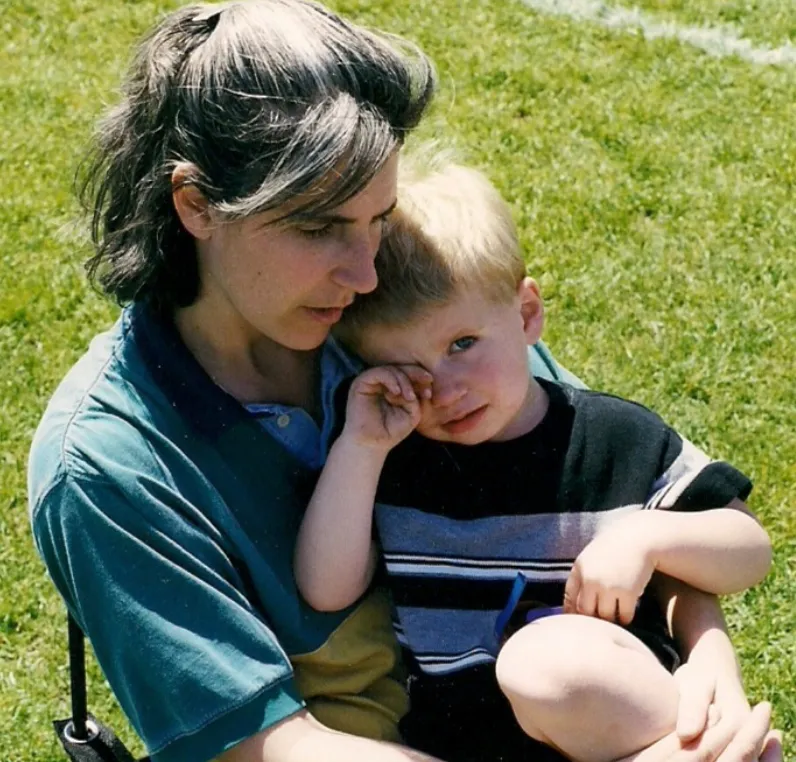
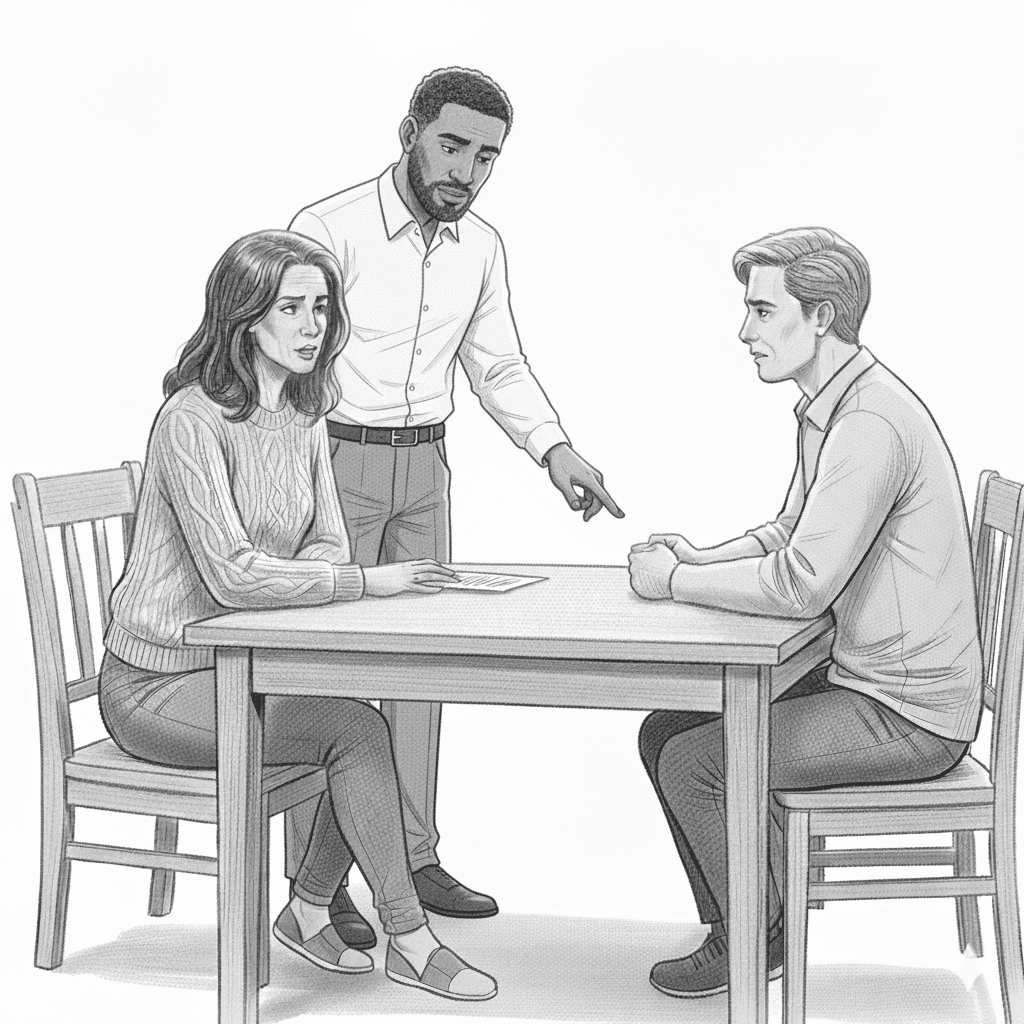
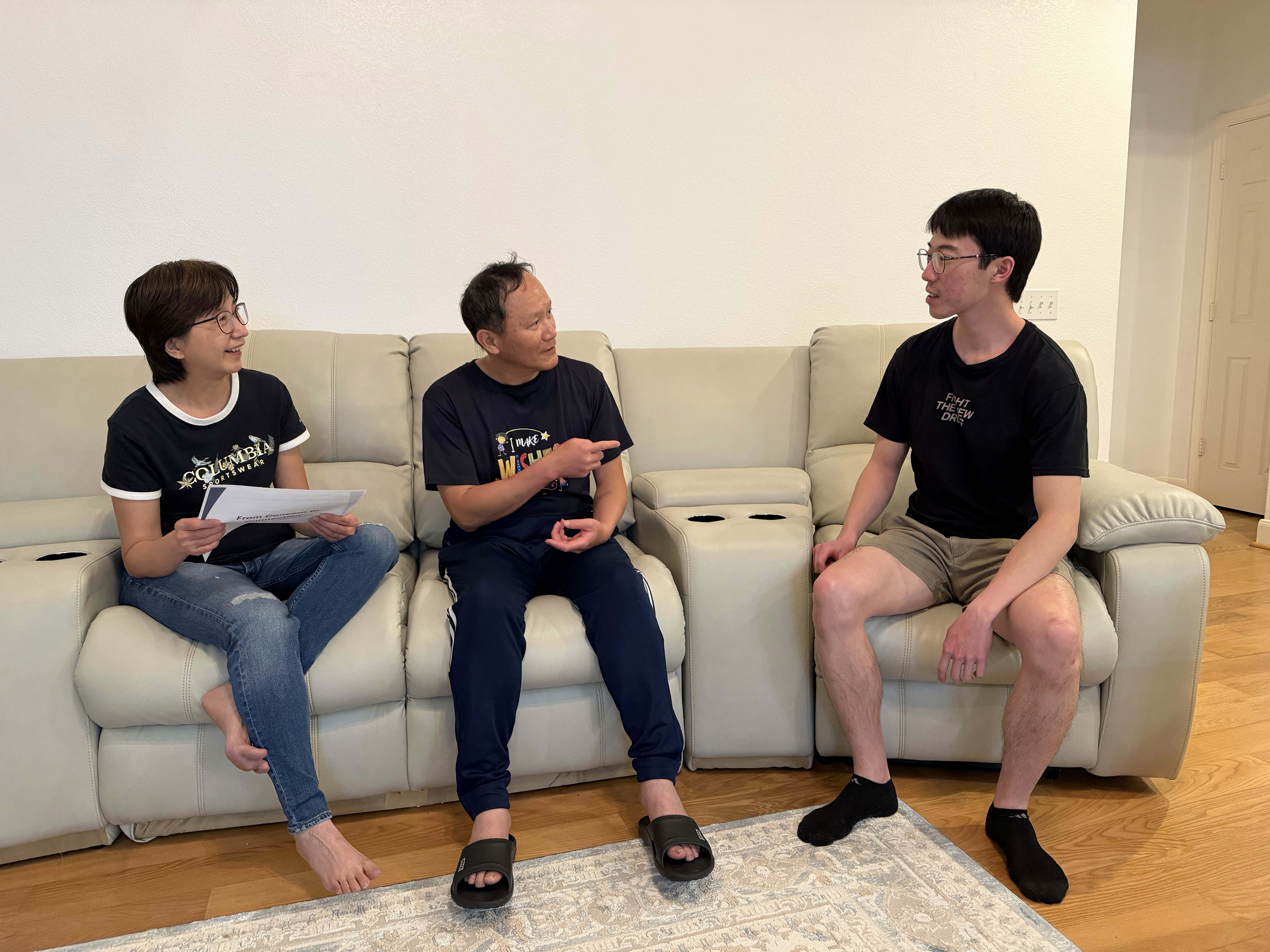
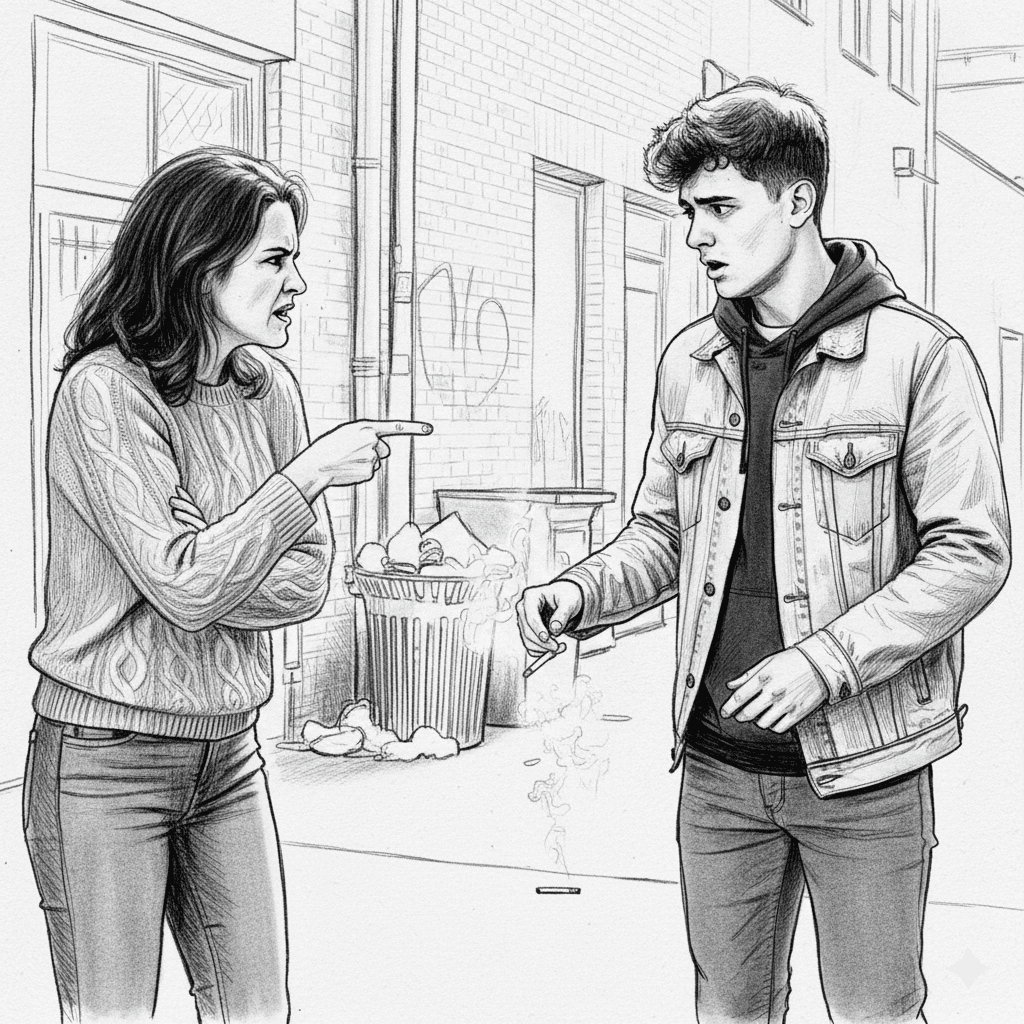
A mom catches her teenage son smoking marijuana. She goes through a range of emotions: anger, fear, blame, uncertainty.

User Action

Frontstage

Software

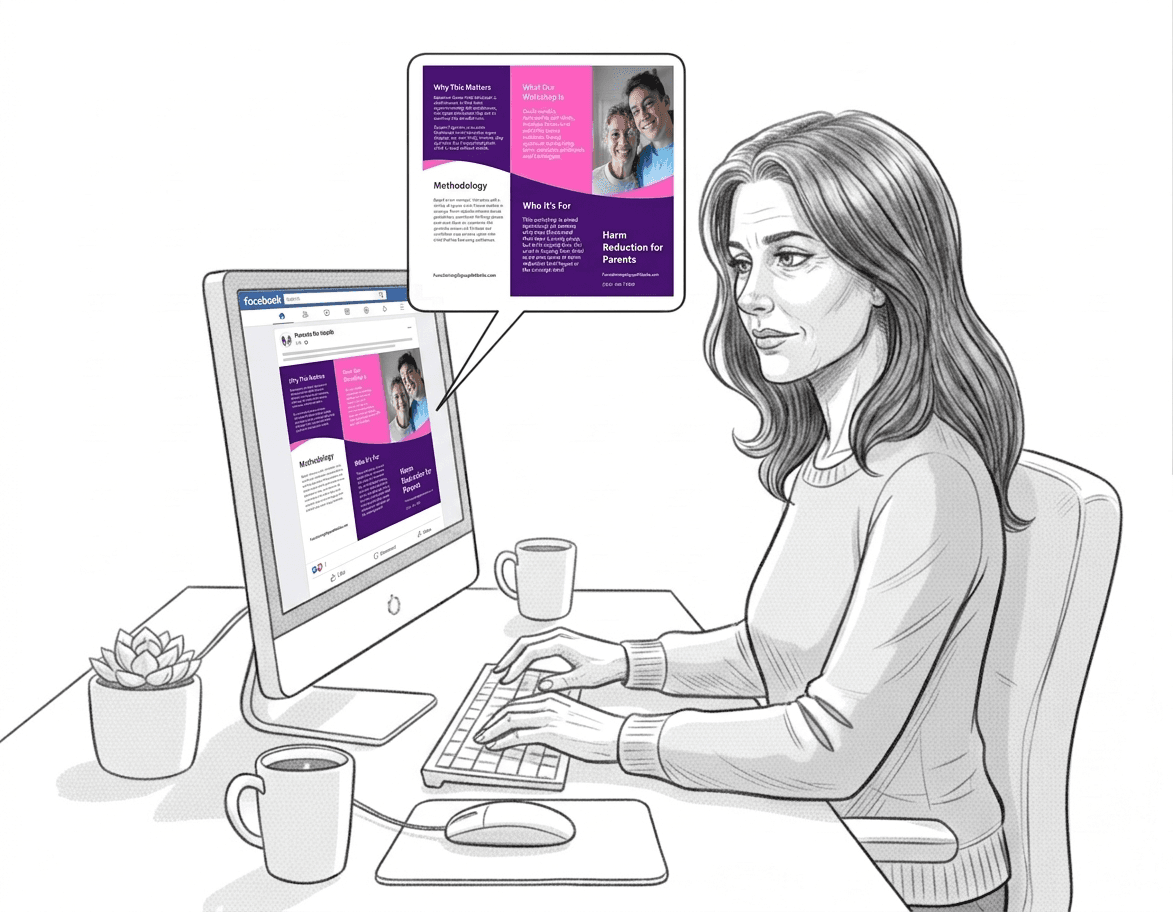
She finds out about CARE through an electronic brochure from their Facebook group. She sends them a message.

The CARE team sends her a link to their website and reassures her that what she is experiencing is completely normal.

Facebook is the software used for communication at this stage.

User Action

Frontstage

Software

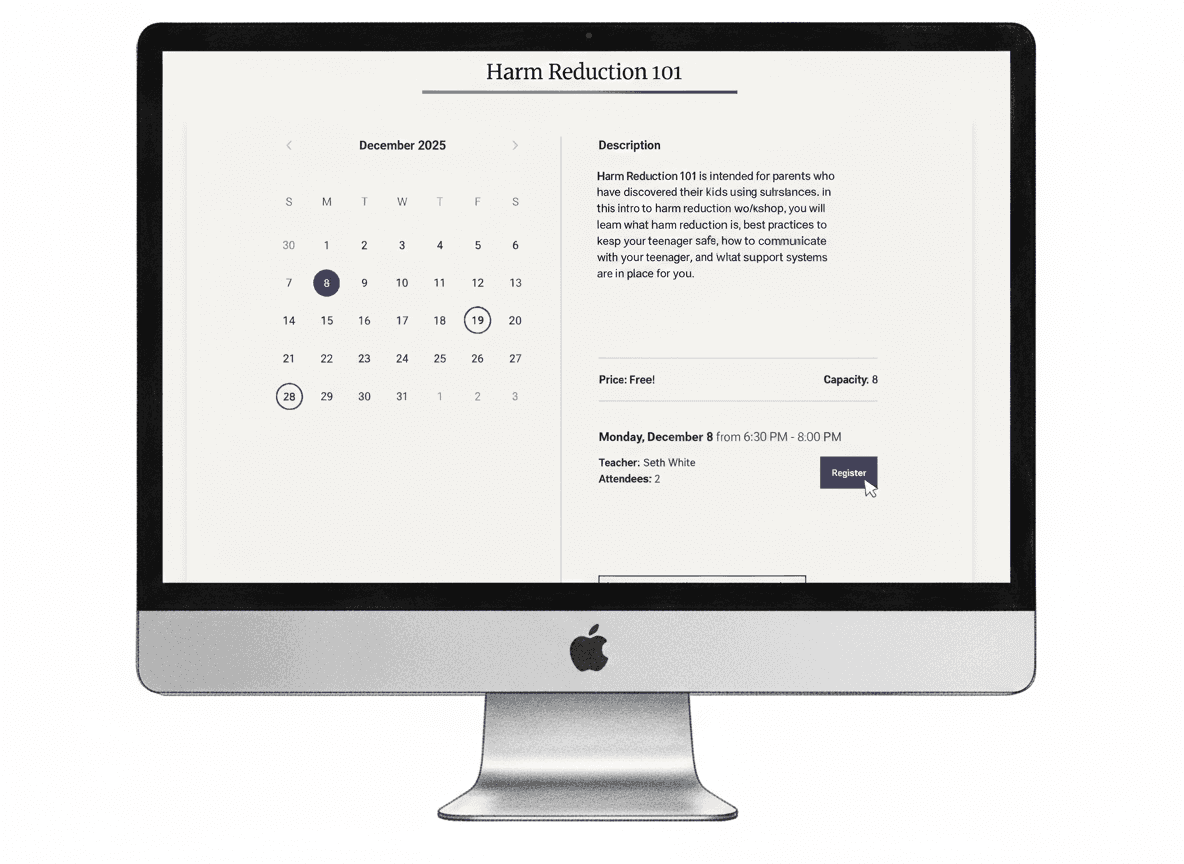
After exploring the CARE website, the mom signs up for the Harm Reduction 101 workshop with her husband.

The CARE team sees that the mom has signed up for Harm Reduction 101 and sends them a video intro to watch. On the backstage he schedules staff for the workshop.

Calendly handles workshop sign ups, collect's user emails, and alerts the CARE team when someone has signed up for a workshop.

User Action

The parents of the teen watch the video introduction, which explains basic principles of harm reduction and what they should expect from the 60 minute workshop.

User Action

Frontstage

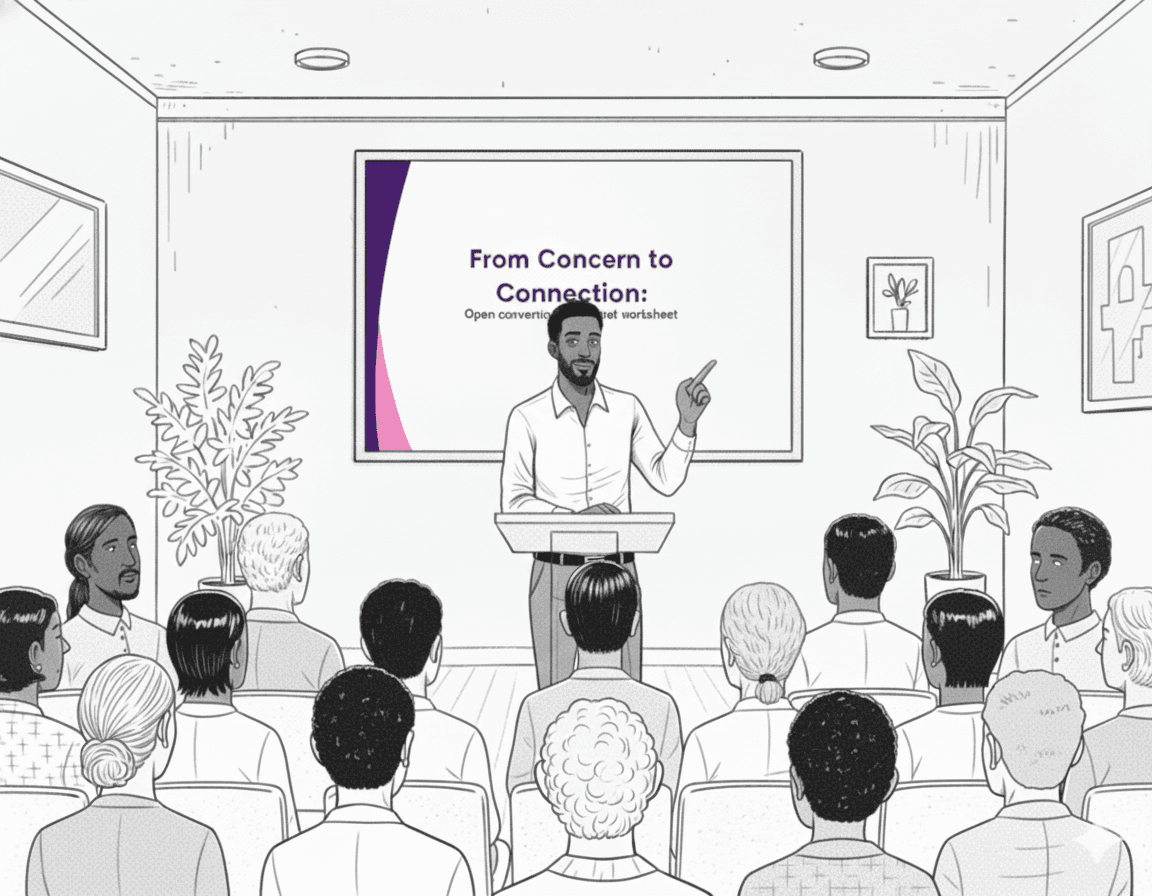
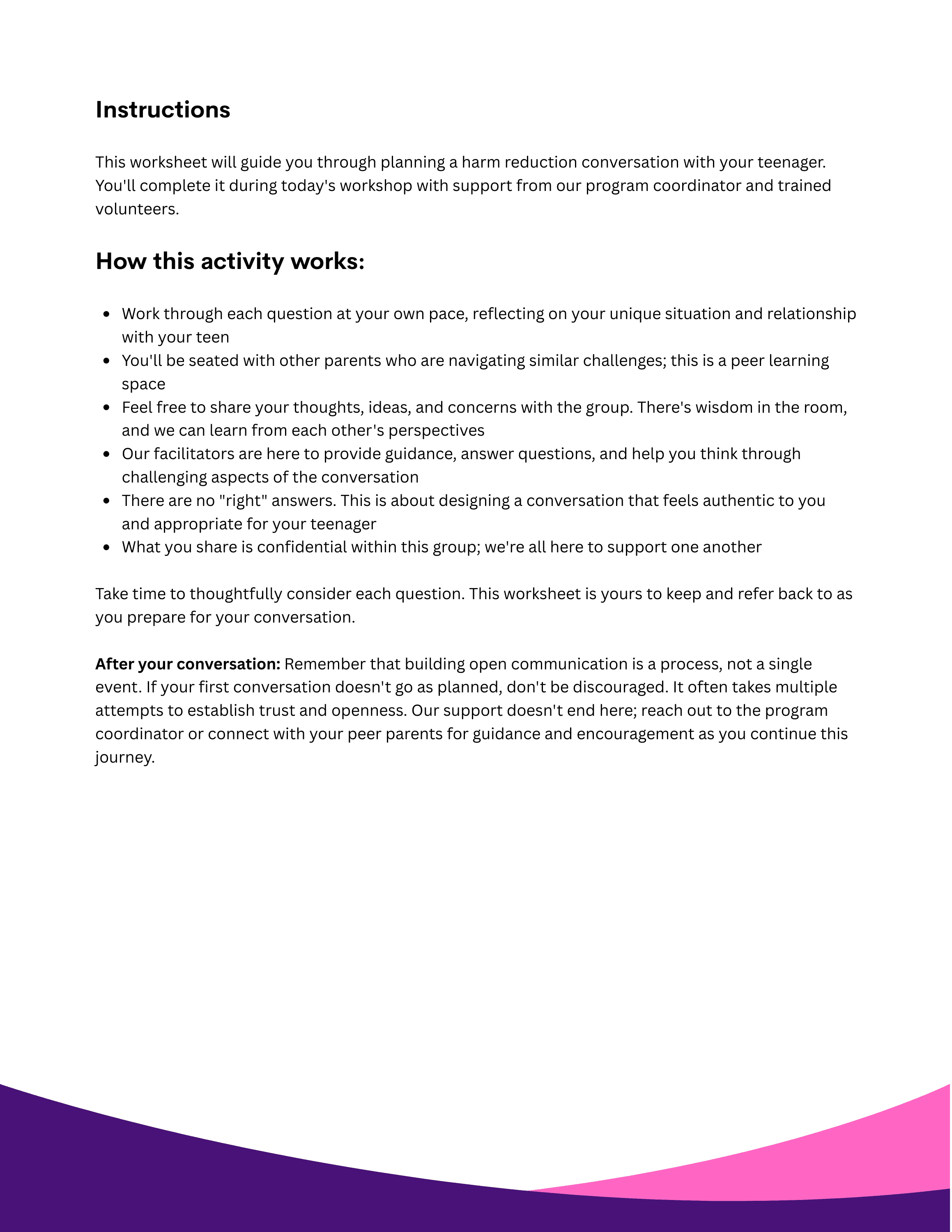
At the workshop, the parents fill out worksheets for navigating harm reduction with their kid. The CARE team is there to facilitate, and there are other parents to share ideas with.

The CARE team presents science based harm reduction techniques to the parents based on the National Harm Reduction Coalition.

User Action

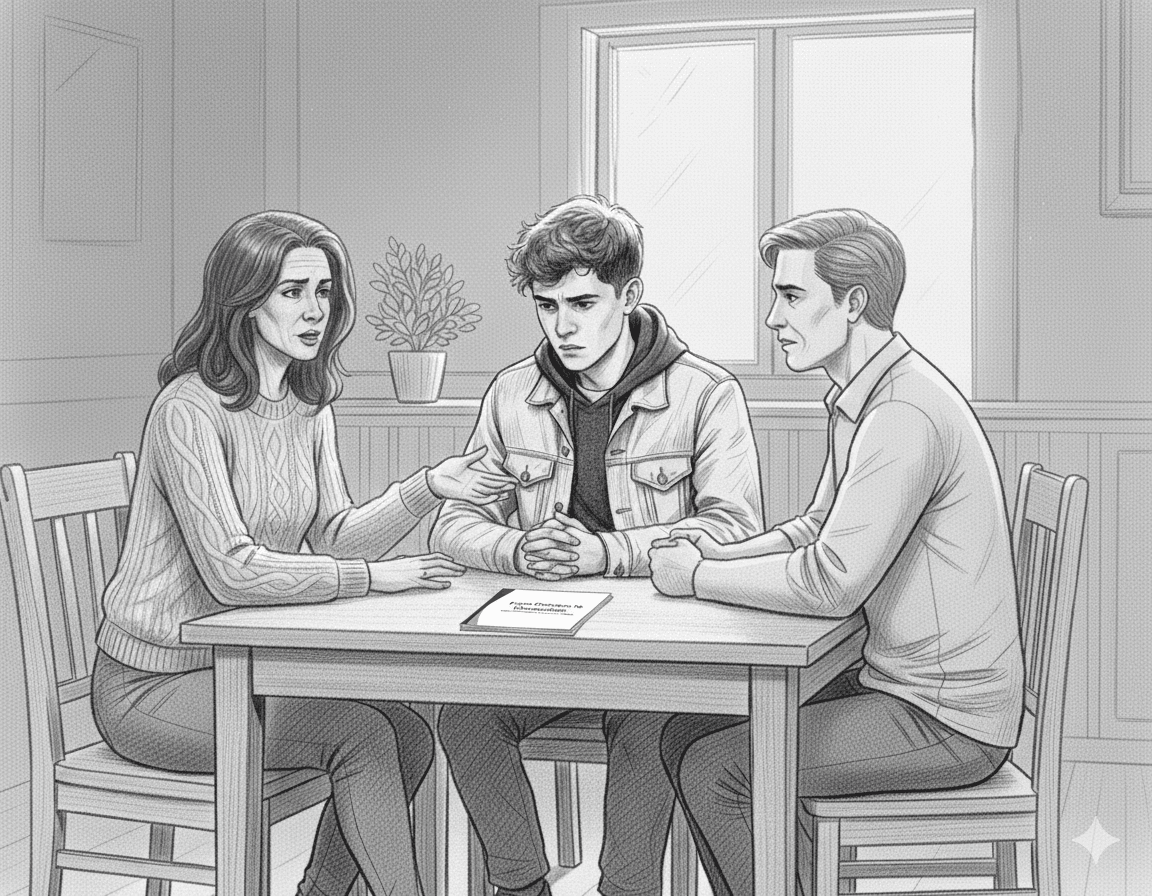
After the workshop, the parents have a conversation with their son to talk about his personal life and marijuana use and set up ongoing conversation in the future.

User Action

Frontstage

Software

The mom fills out a survey about how the conversation with their son went and provides feedback for improving the workshop.

The CARE team follows up on the parents a week after the workshop, and gives them options of other workshops to attend.

SurveyMonkey is used to collect data on parents feedback for the workshop and quality of outcome.

Touchpoints

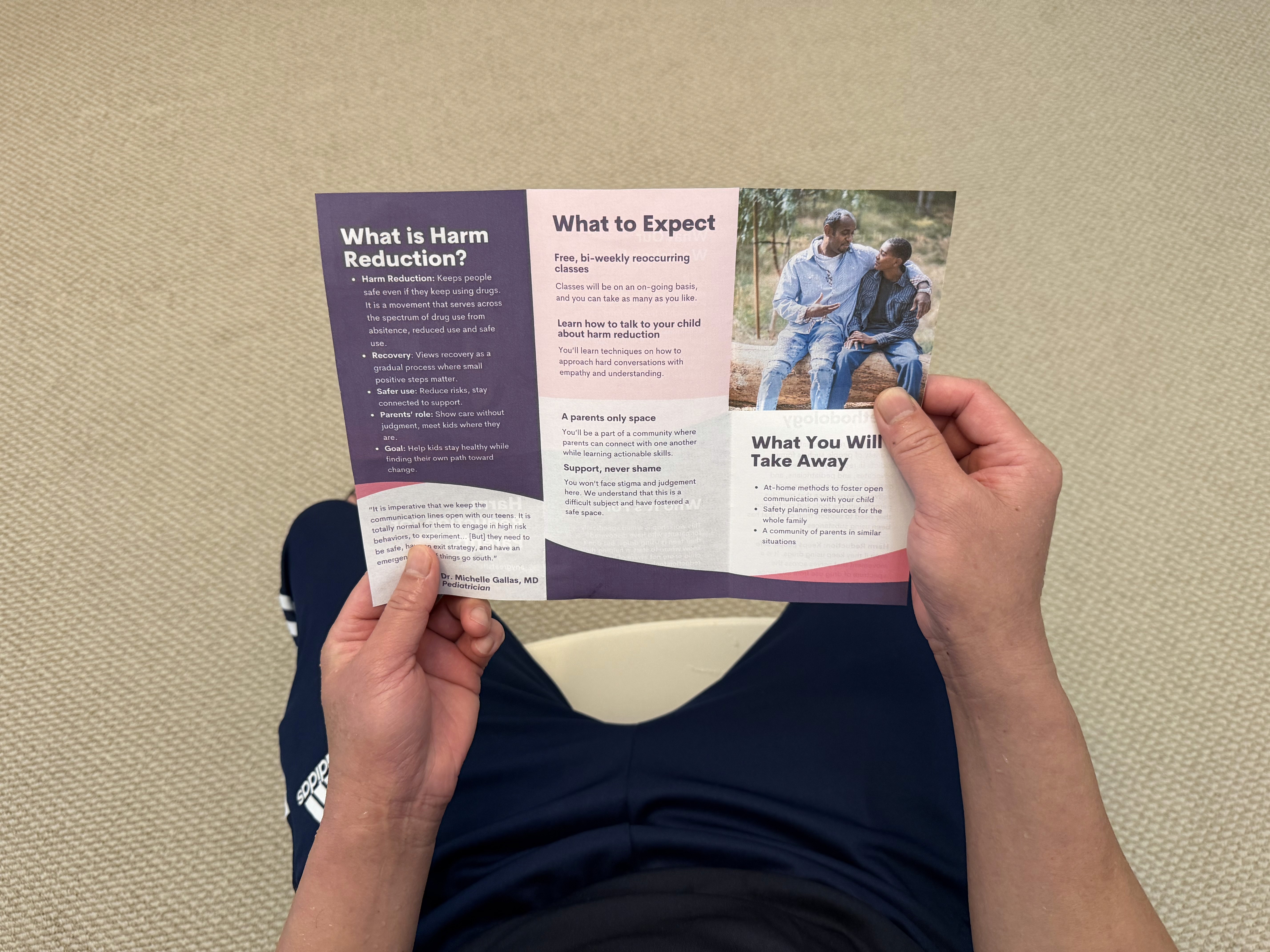
Outreach Pamphlet

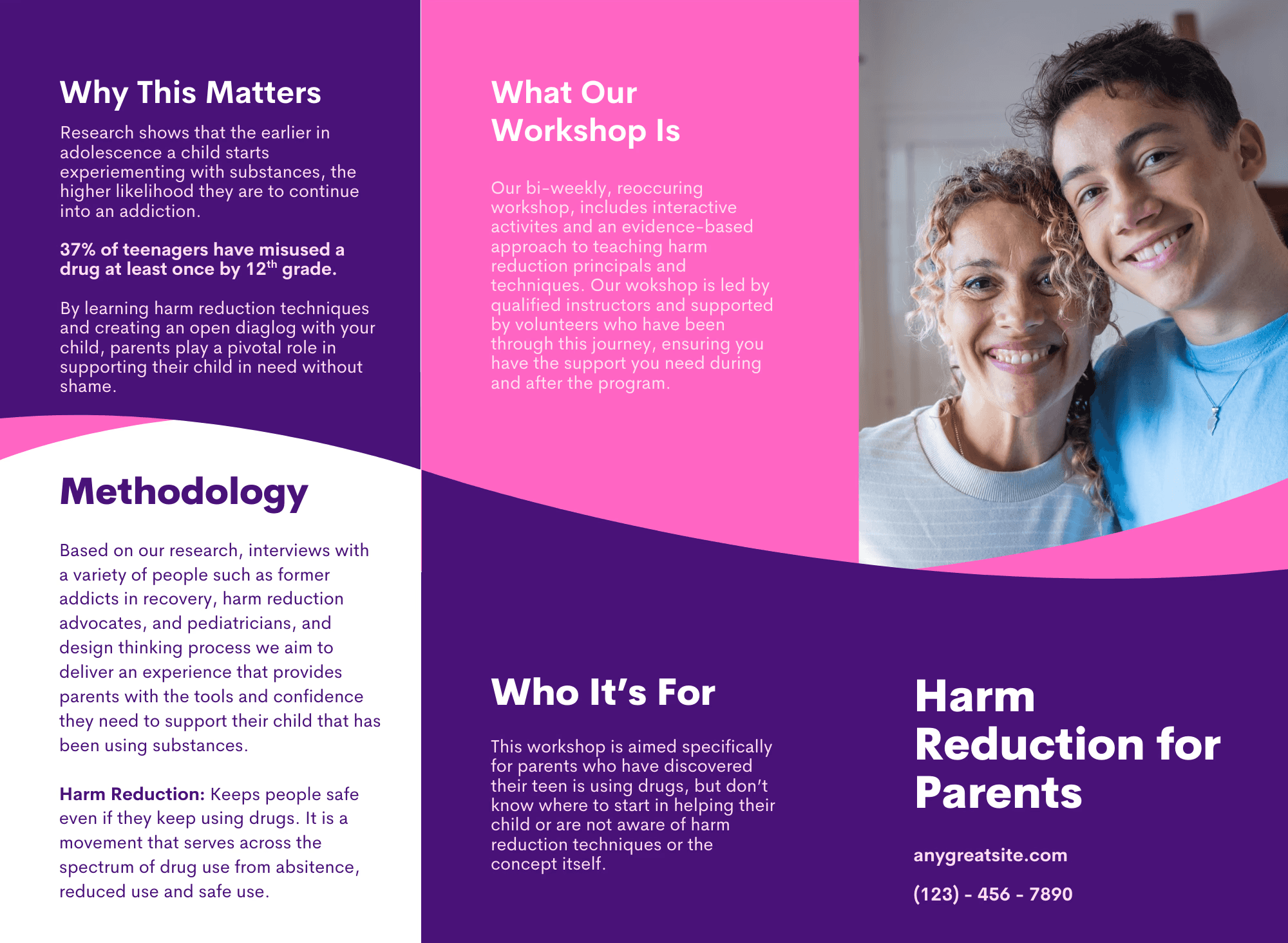
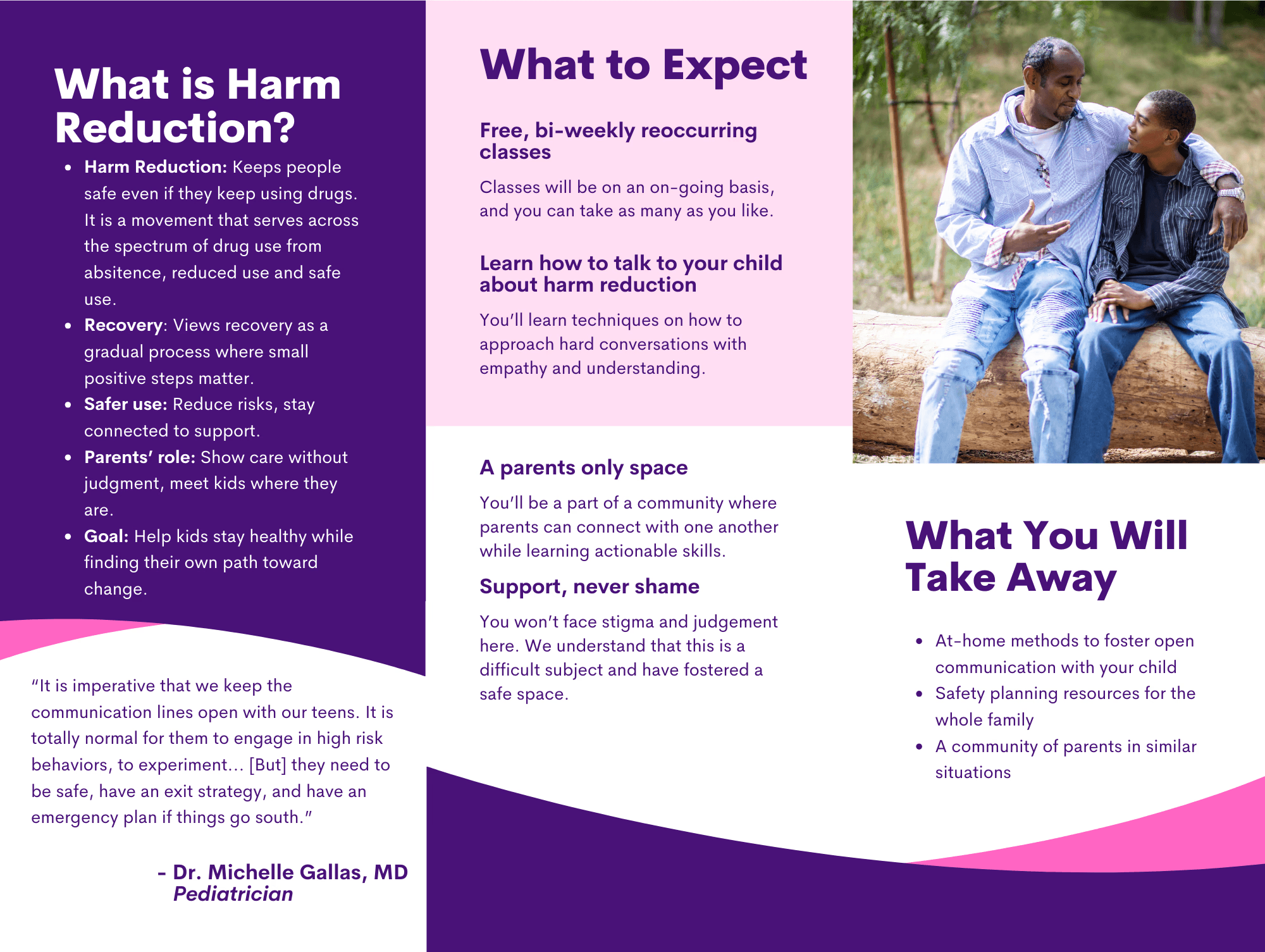
This informational tool may be distributed at schools, community centers, therapist office, or pediatric clinics. For example, a school counselor may give this to the parents of a teen substance users after catching him using drugs.
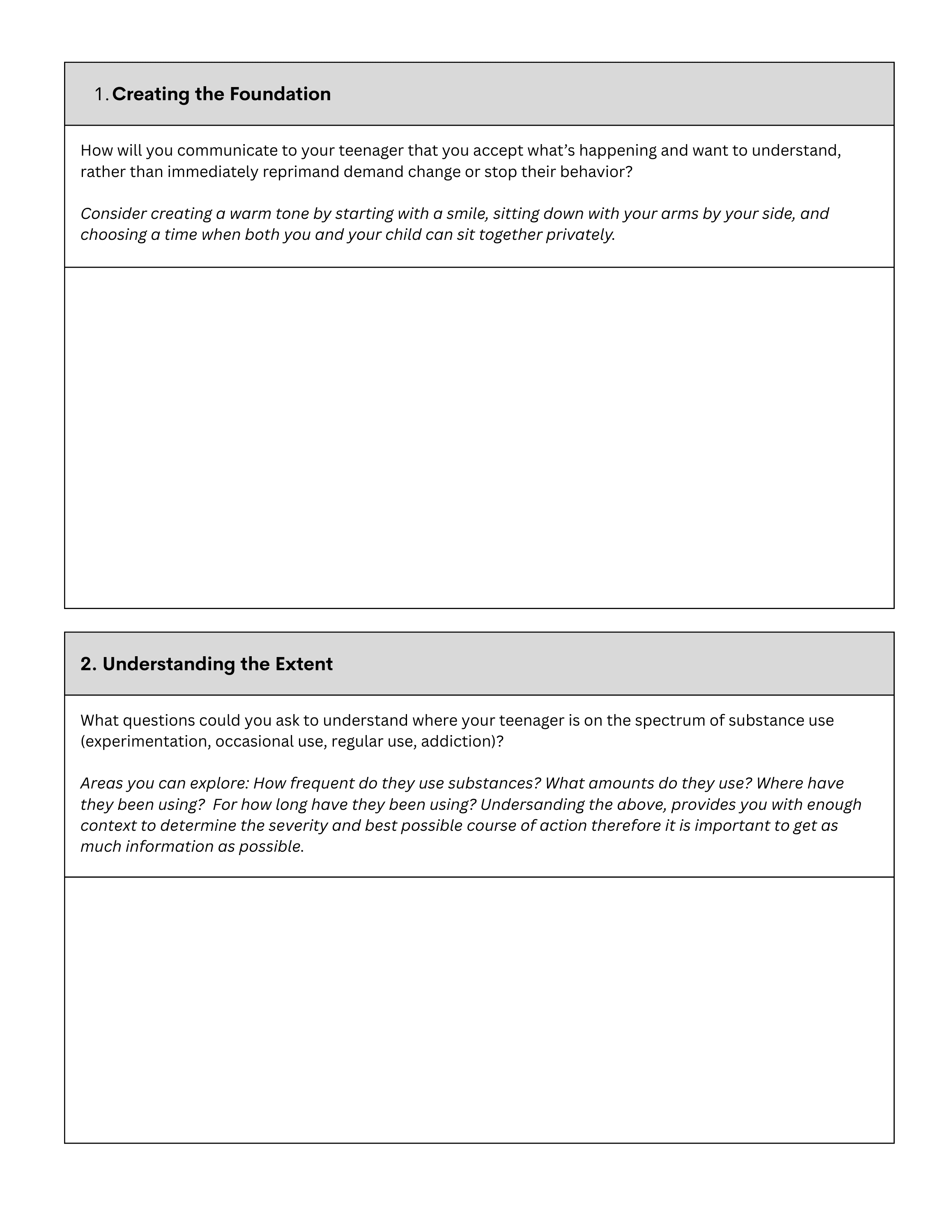
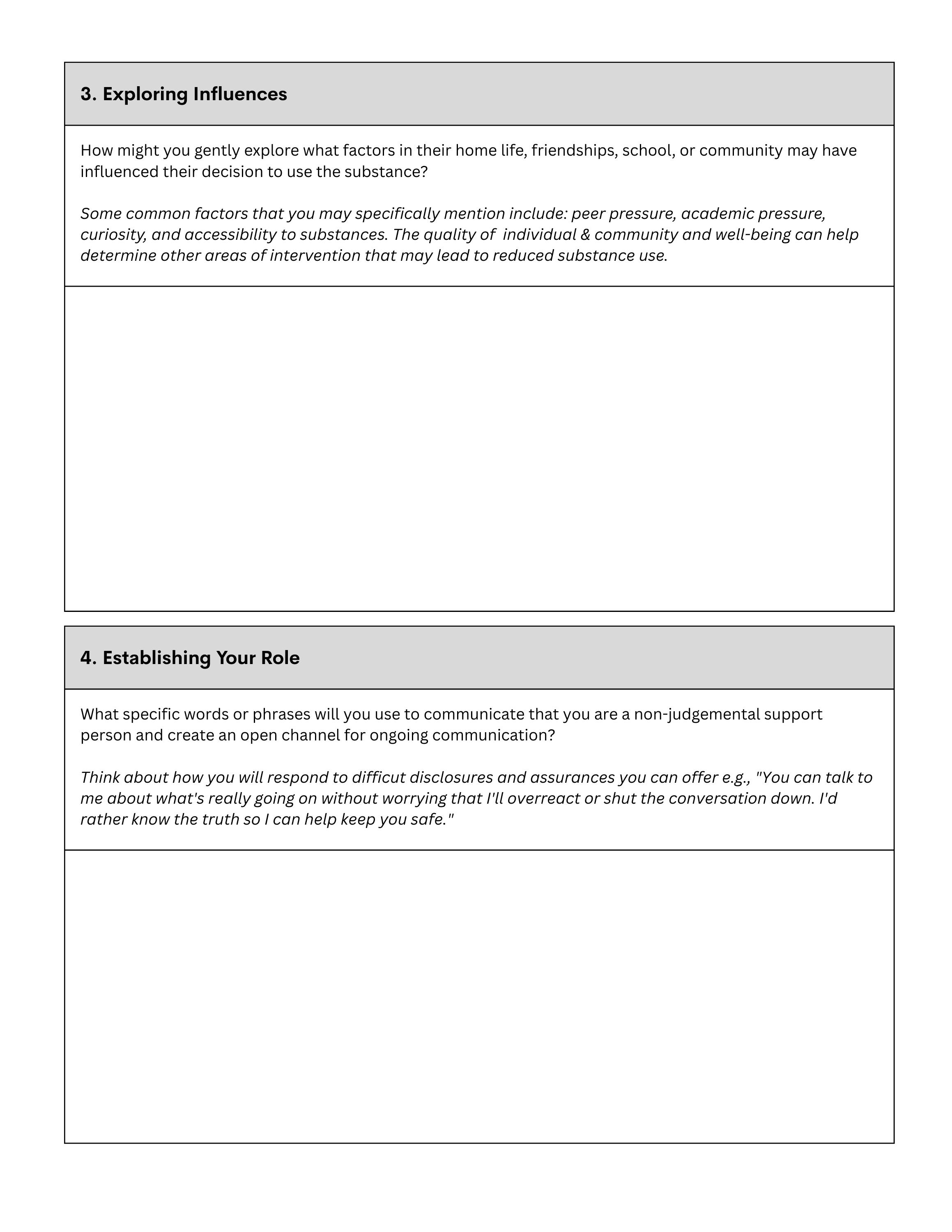
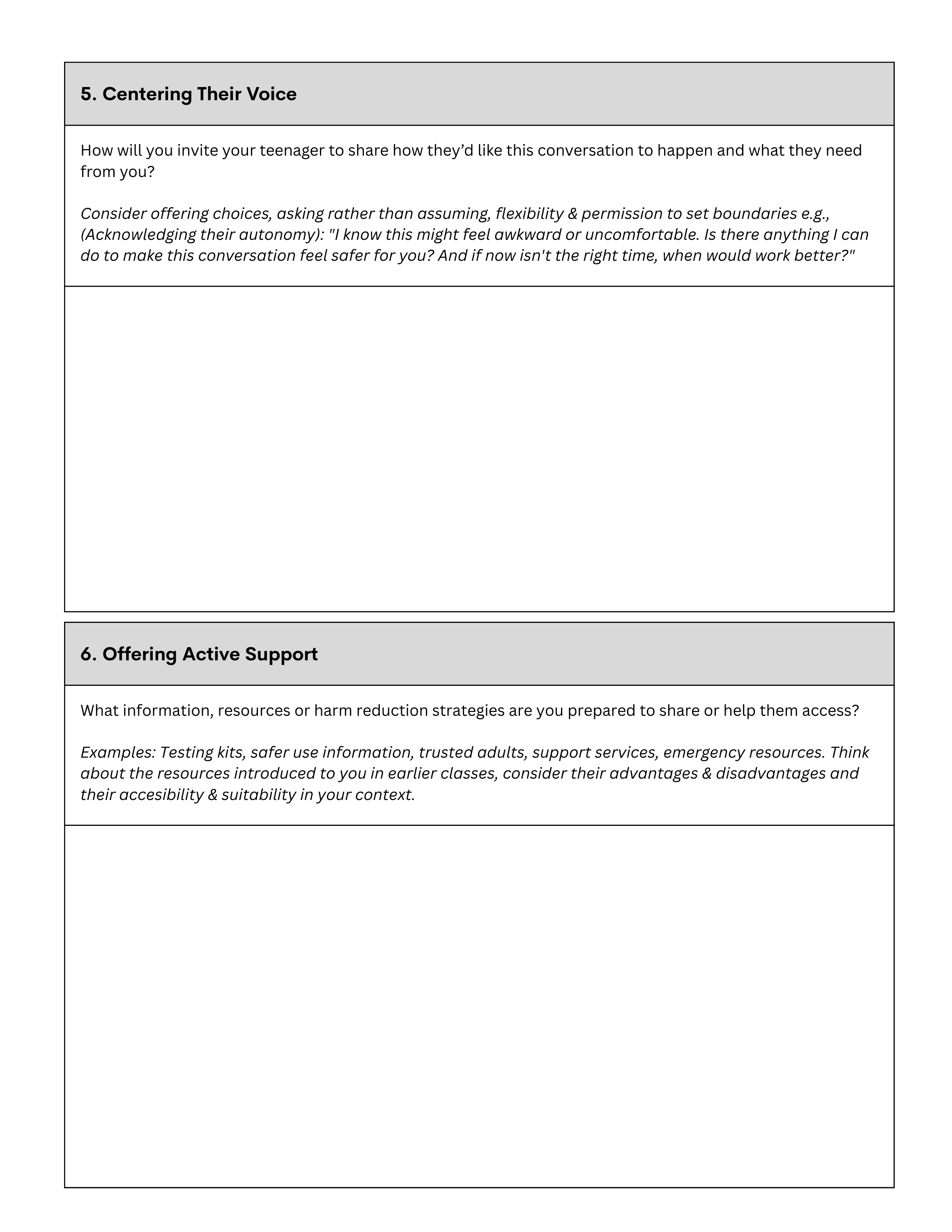
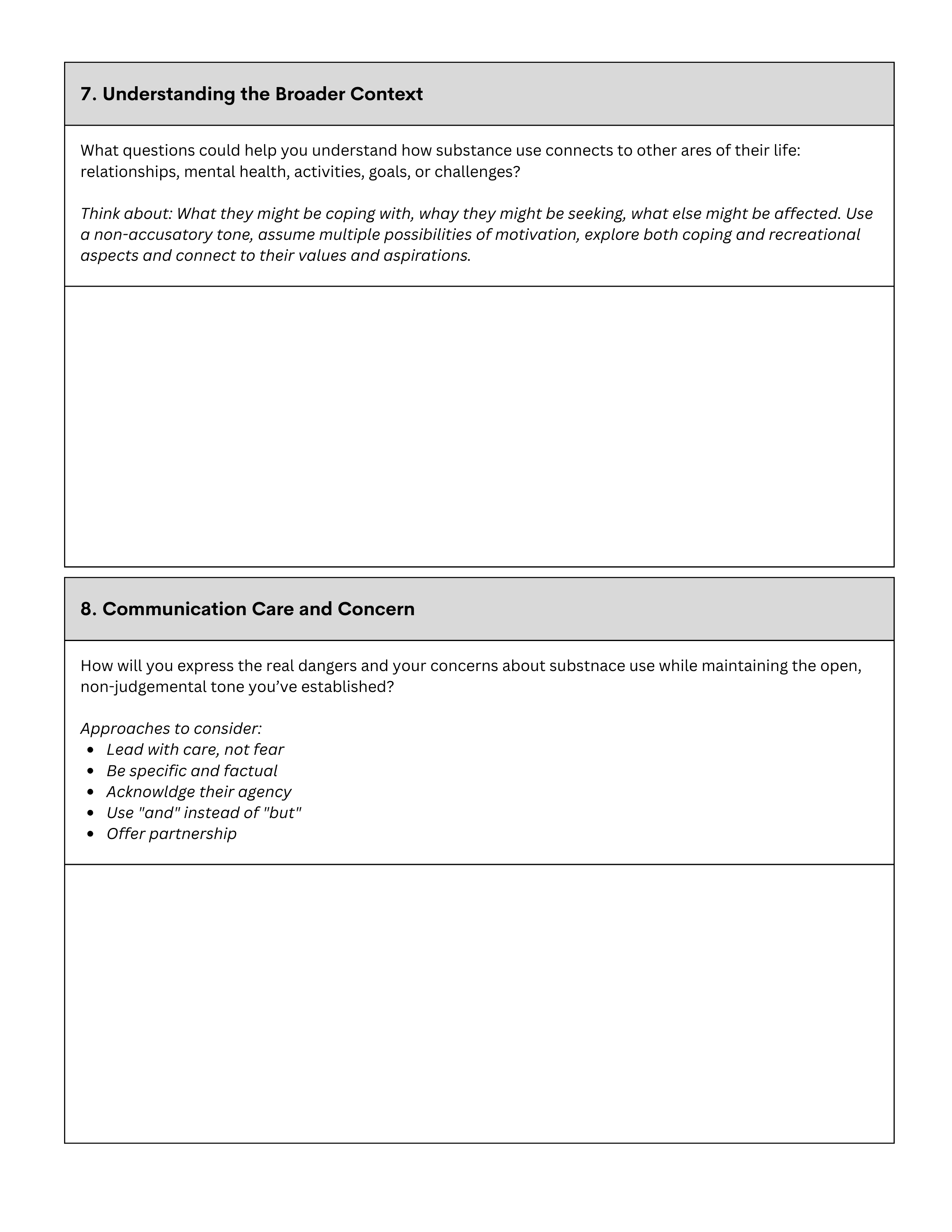
Workshop Worksheets

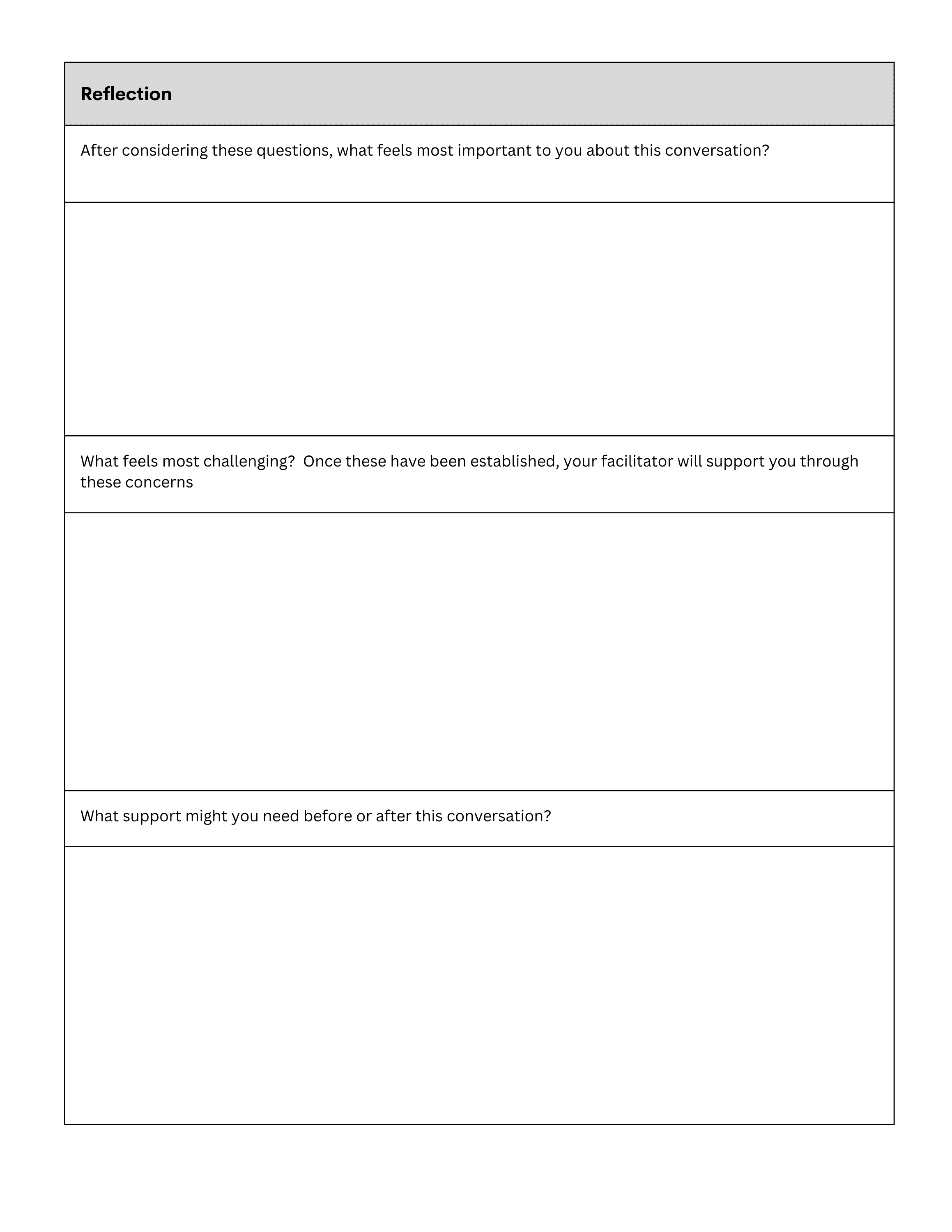
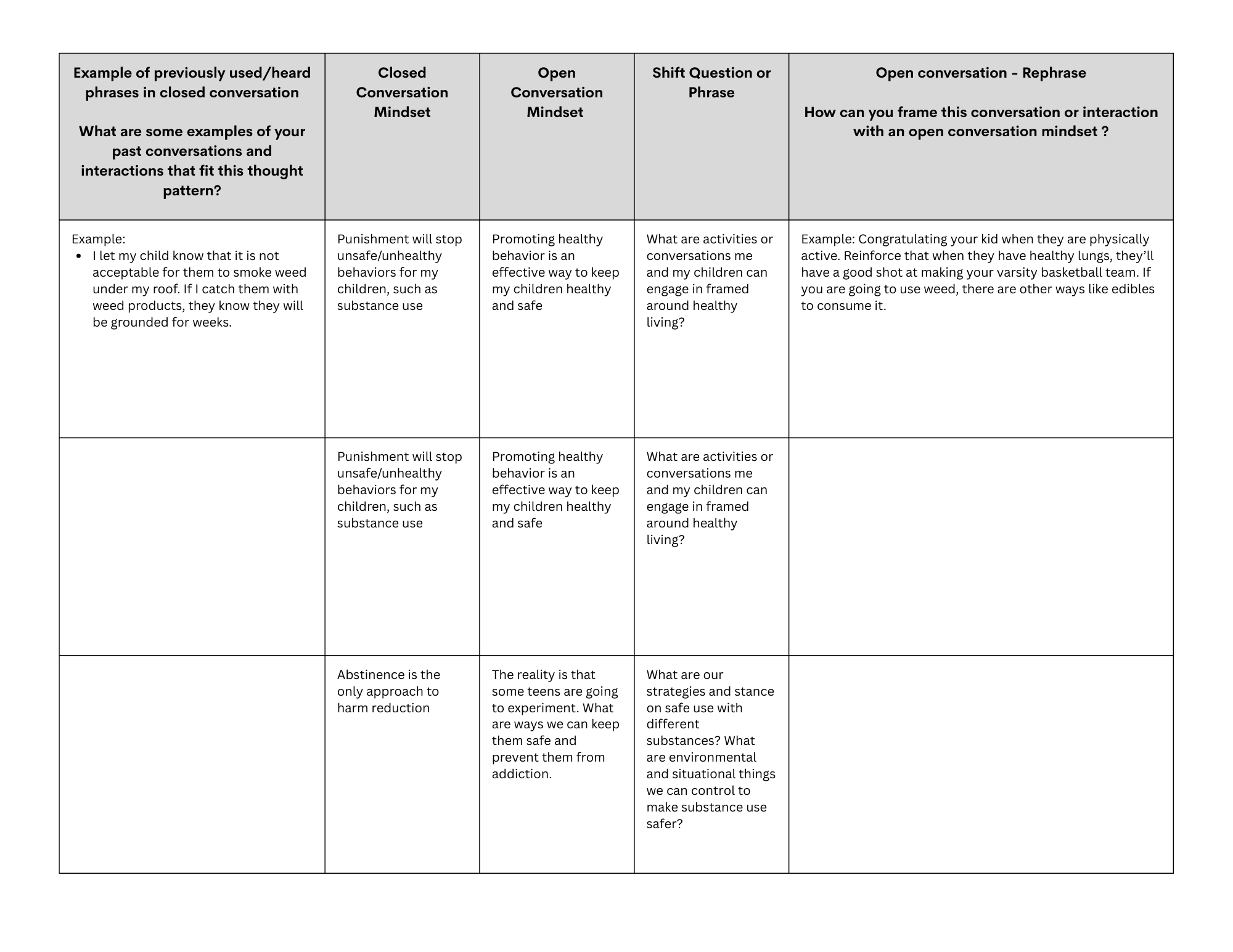
Family members will use these two harm reduction worksheets during the group workshop in order to plan a conversation with their child. Sharing stories with other parents and relating to others can lessen shame and stigma and bring them comfort.
Reflection

This was my first service design project and a great opportunity to think about all the backstage and behind-the-scenes processes that a workshop needs in order to run smoothly.

Sources

Research: link

Icons: papillon, shocho, LAFS, Gregor Cresnar, Yosha Sunsaran, bachir hamidi